K
Keith Jenkins
Guest
- Thread Author
- #1
Ipoh is the capital of the state of Perak, Malaysia, roughly a 2.5 hour drive north of Kuala Lumpur. Over the years, Ipoh has steadily transformed from a quiet former mining town into one of Malaysia’s most charming travel destinations. I’ve visited Ipoh on numerous occasions, almost always as a lunch stop on a road trip from Kuala Lumpur to Penang. However, during my latest visit, I decided to spend a few days in Ipoh and discovered a city with a unique blend of colonial heritage, vibrant street art, stunning limestone landscapes and a food scene that rivals the best in the country. Whether you’re a history enthusiast, foodie or nature lover, you’ll find many interesting things to see and do in Ipoh.
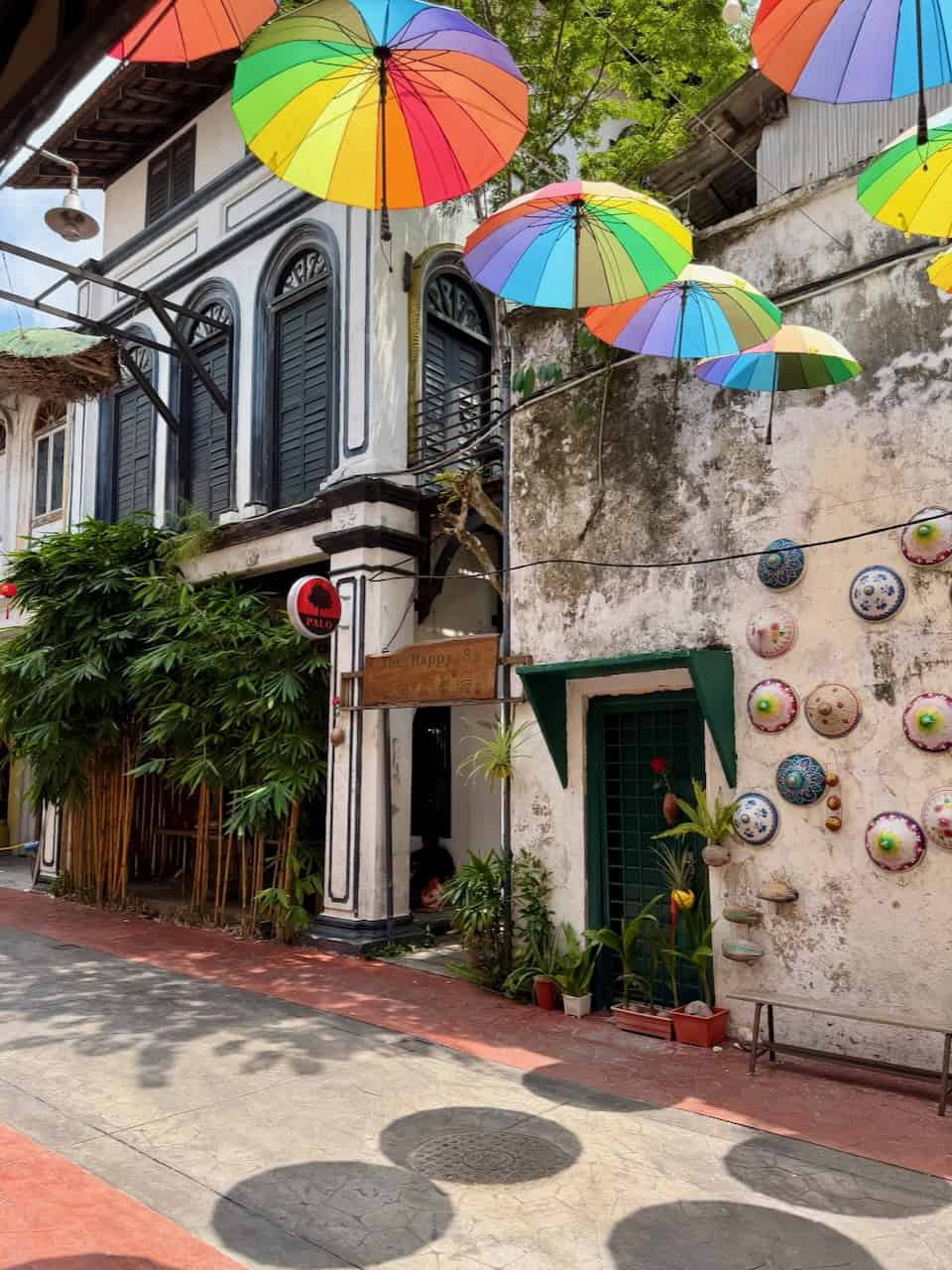
Market Lane

Ipoh’s history is deeply tied to the tin mining boom of the late 19th and early 20th centuries. Once a small village, it rapidly grew into one of the richest towns in Southeast Asia due to its abundant tin deposits, and earned it the nickname “City of Millionaires”. During British colonial rule, Ipoh flourished economically, leading to the construction of grand colonial buildings that still stand today. After the decline of the tin industry in the 1980’s, the city experienced a quieter period before reinventing itself as a cultural and tourism hub. Today, Ipoh preserves its historical identity while embracing modern development, making it a fascinating place where past and present coexist.
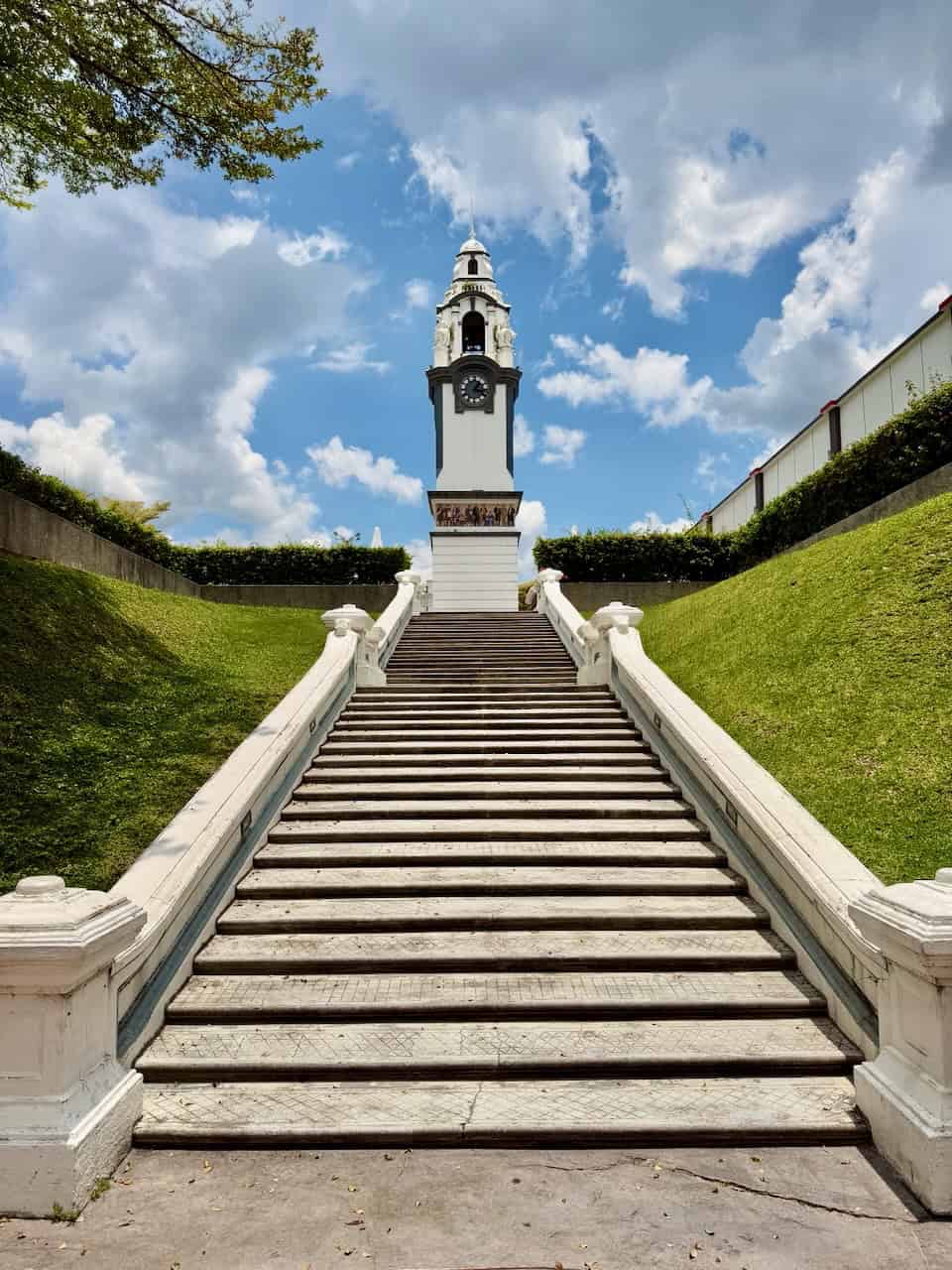
Birch Clock Tower
Often overshadowed by bigger cities like Kuala Lumpur and George Town, Ipoh stands out because it offers an authentic Malaysian experience without the overwhelming crowds. The city may seem sedate to the casual passerby but spend some time there and it will slowly reveal itself. Its combination of heritage architecture, natural beauty and culinary excellence creates a well-rounded destination in Malaysia that’s absolutely worth visiting.
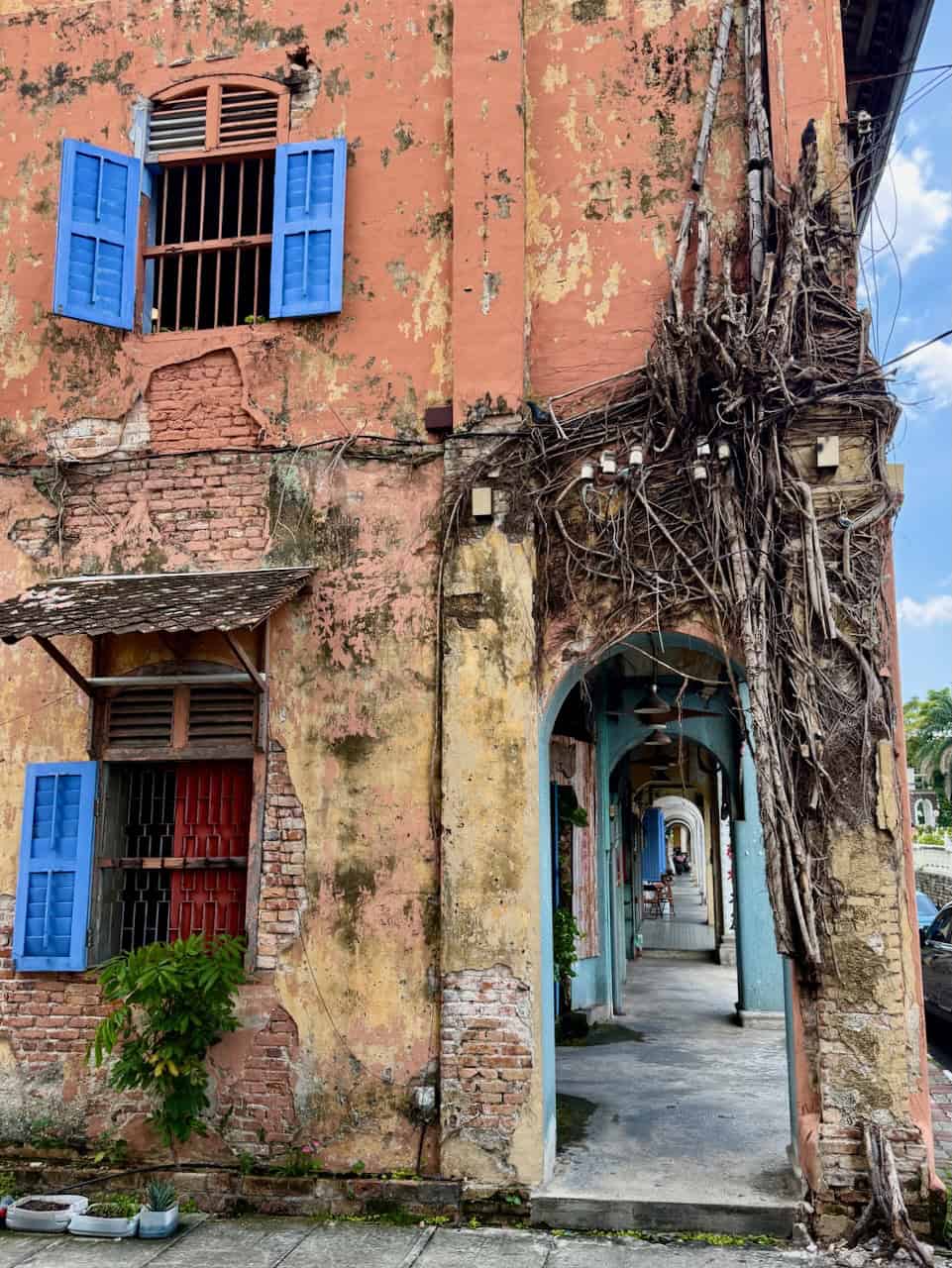
Shophouses on Lorong Bijeh Timah.
Whether you’re sipping coffee in a century-old café, strolling through shady arcades, exploring hidden caves and lakes, or enjoying local delicacies, Ipoh offers wonderful experiences at every turn. Its slower pace allows visitors to truly soak in the atmosphere, making it not just a stopover, but a destination worth savouring. Here are my recommendations for things to see and do in Ipoh (the places mentioned are pinned on the map below):
Ipoh Old Town is the heart and soul of the city. Walking through its streets feels like stepping back in time, with well-preserved Neo-Classical, Edwardian and Art Deco buildings lining the roads. Here, you’ll find famous white coffee shops, traditional bakeries, artisanal shops and boutique cafés that blend old-world charm with modern aesthetics. I loved the rustic shopfronts, some of which are decorated with colourful lanterns and ornate wood carvings.
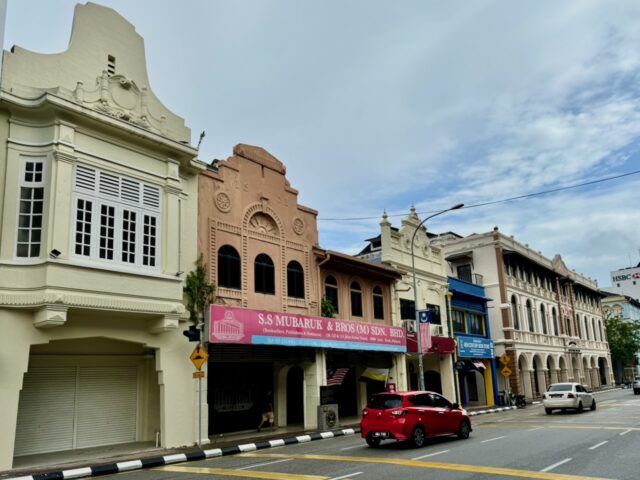
Beautiful façades in the Old Town
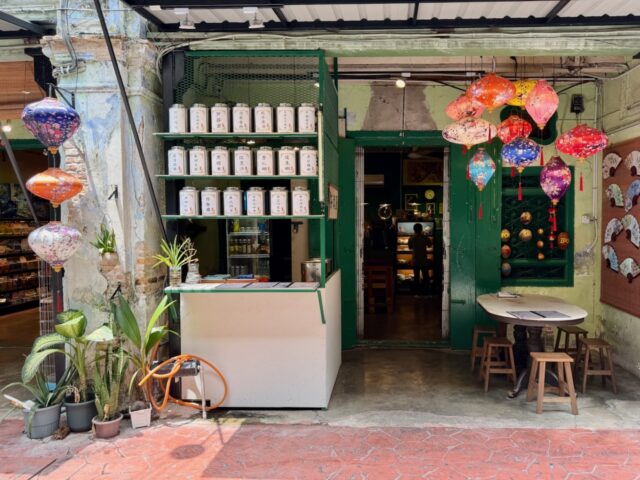
Ipoh storefront
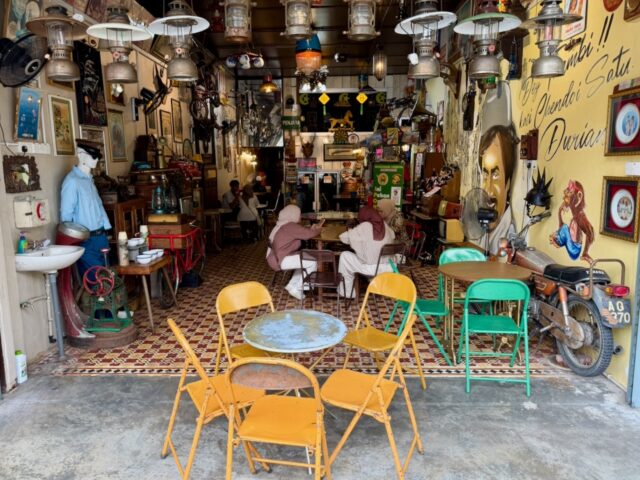
Wawasan Cendol – a dessert café in Jalan Bandar Timah.
Famous colonial landmarks include the Ipoh Town Hall, Railway Station and the Birch Memorial Clock Tower.
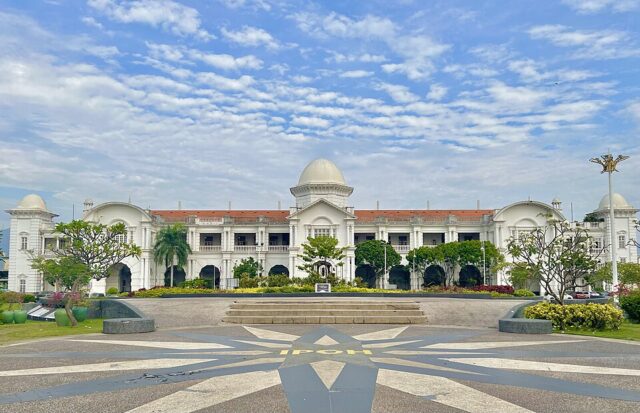
Ipoh Railway Station (image by S.H.Darlin/Wikimedia Commons)
One place that’s a charming mix of old and new is Kong Heng Square. Filled with boutiques, cafés such as Plan B, pop-up stalls and ancient-looking trees, it’s a a treat to simply stroll around the alleys and soak up the artsy vibes.
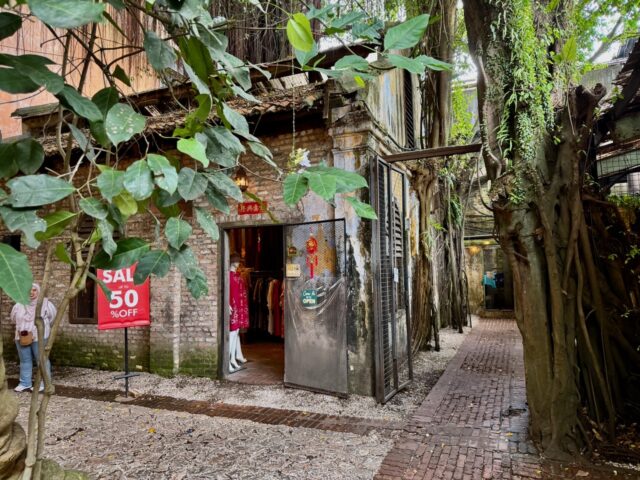
Kong Heng Square
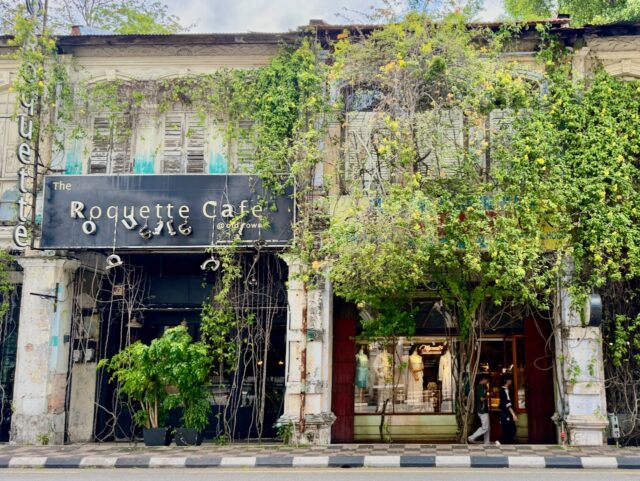
Shophouses in the Old Town
The Ipoh Heritage Trail is a marked route that takes visitors past the city’s most important heritage sites.
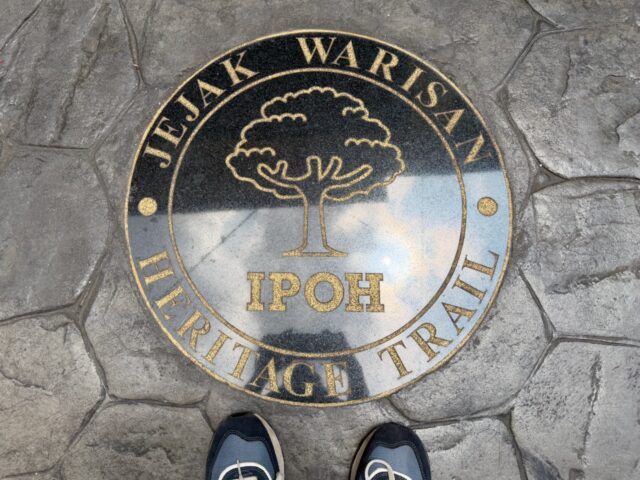
Follow the Ipoh Heritage Trail markers
In 1892, a blaze destroyed large parts of Ipoh’s Old Town, which were subsequently rebuilt with the help of the city’s tycoons. One tycoon, Yao Tet Shin, restored three lanes to honour his wives: Wife Lane (now called Lorong Hale), Concubine Lane (Lorong Panglima) and Second Concubine Lane (Market Lane). The area soon became notorious for its opium dens, brothels and casinos.
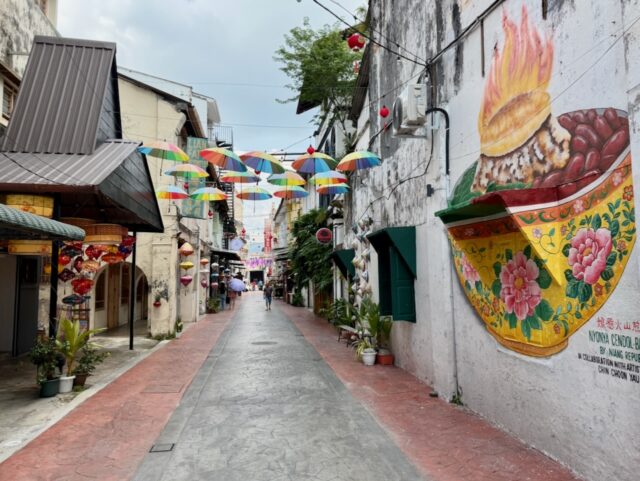
Colourful Market Lane
These days, Concubine Lane is a tourist magnet, packed with souvenir shops, bakeries and cafés.
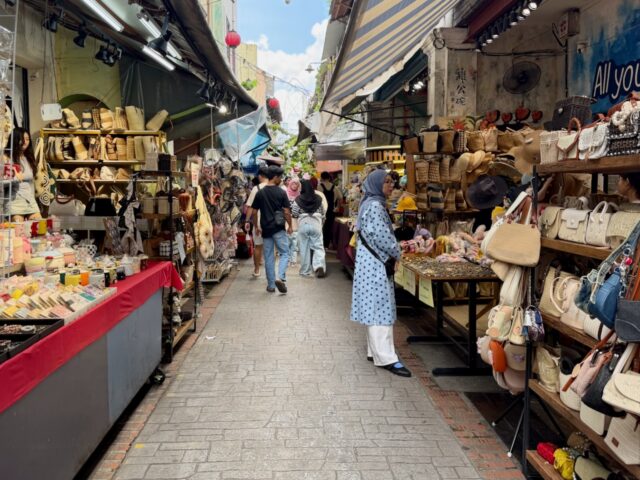
Concubine Lane
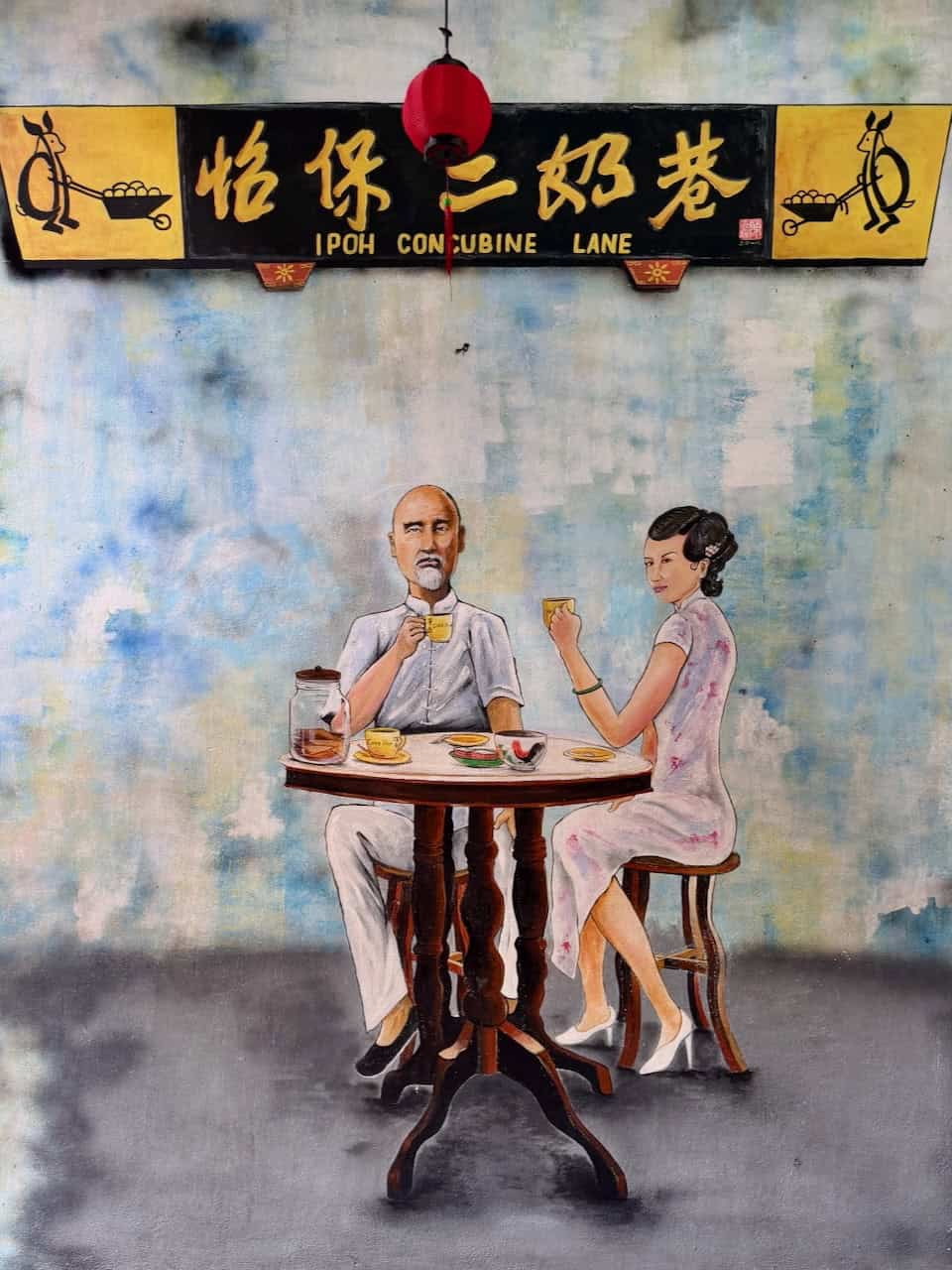
Street art in Concubine Lane
My favourite is Market Lane. Broader and quieter than Concubine Lane, it’s home to numerous artisanal shops and colourful street art.
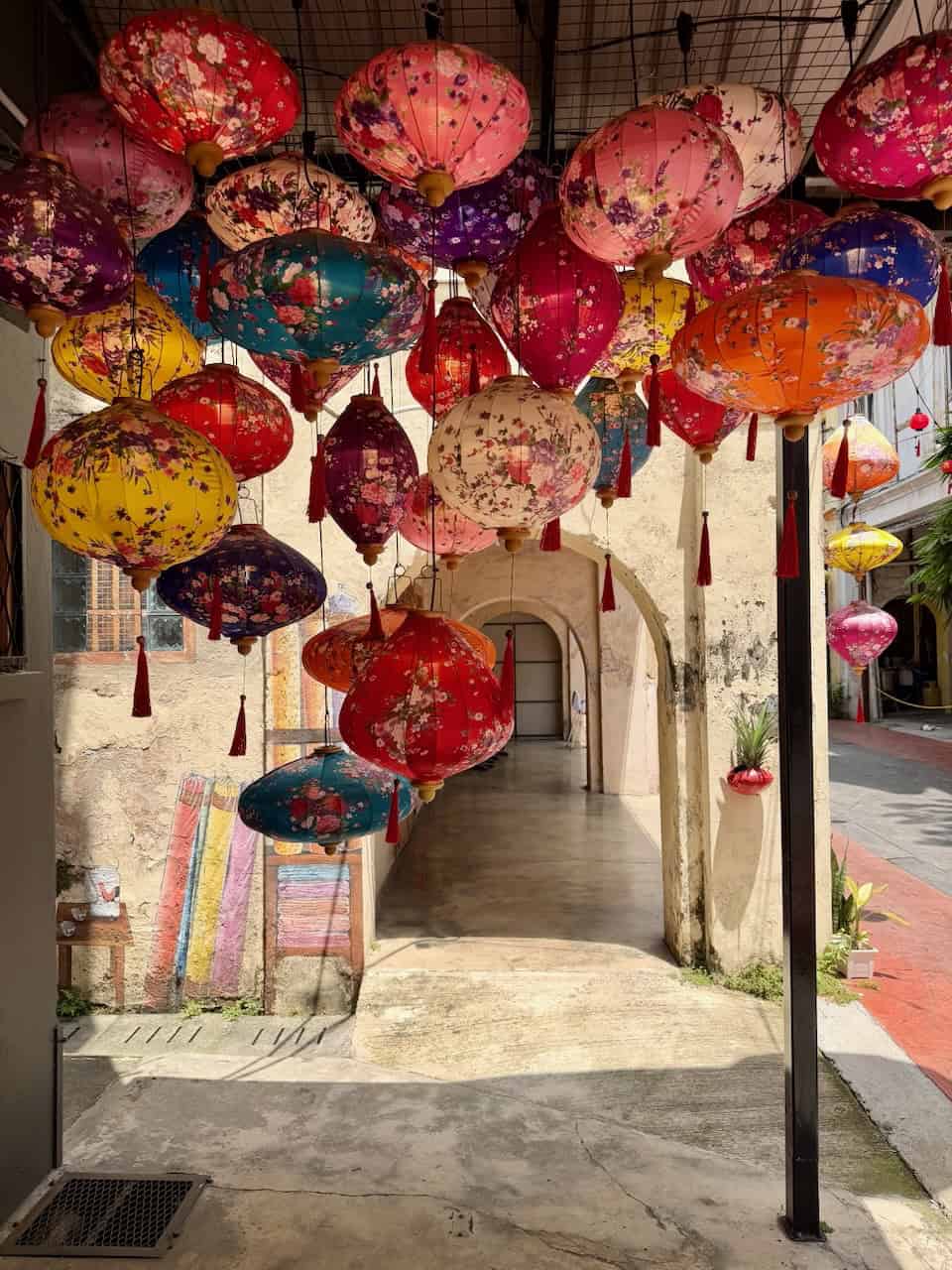
Colourful lanterns in Market Lane
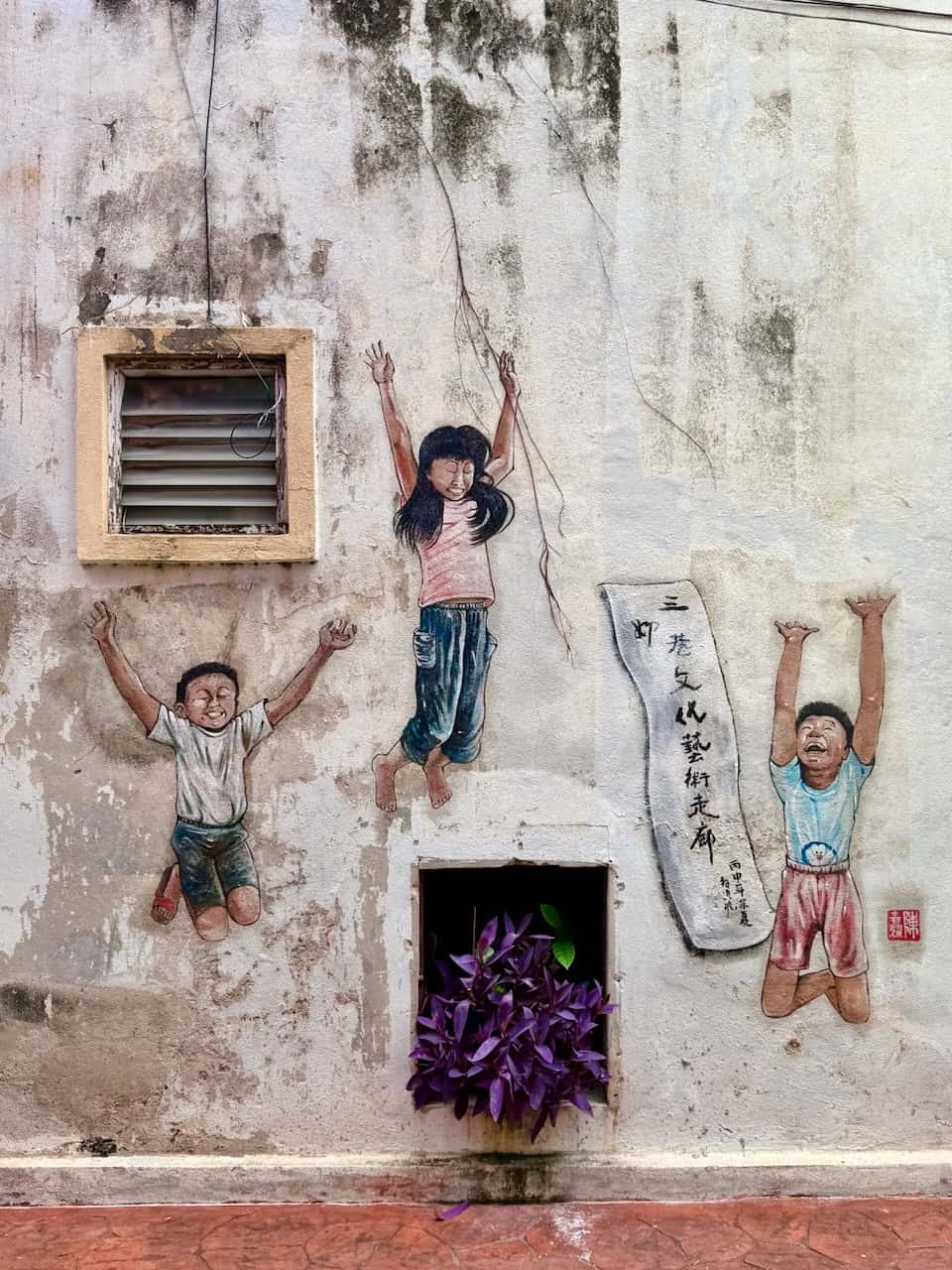
Market Lane street art
Another lovely lane to explore is Lorong Bijeh Timah (or Tin Alley). Here, you’ll find tiles with paintings of Ipoh scenes. Drop by at Hilltown, a vintage tea shop, and Tin Alley, an artists’ studio.
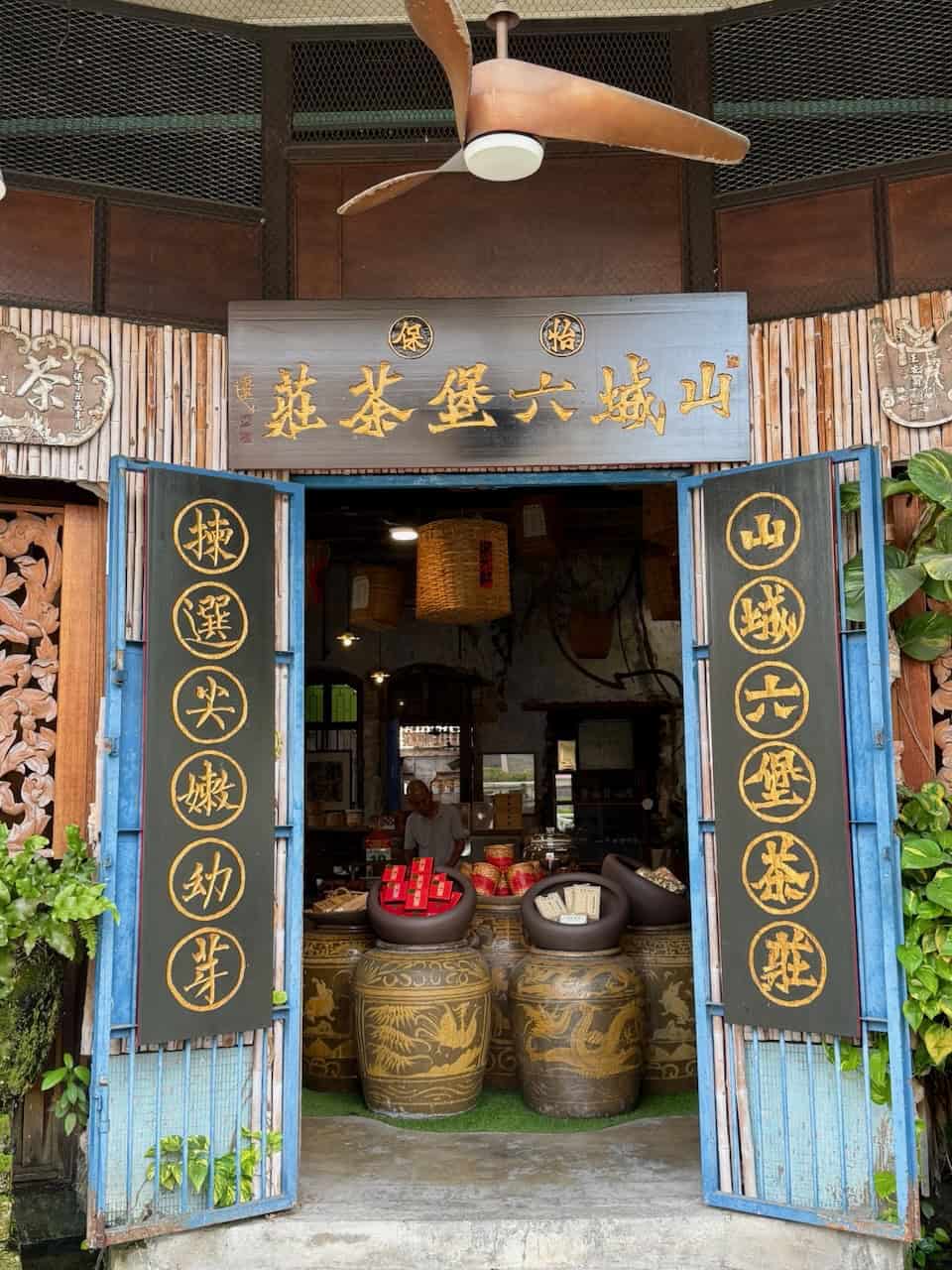
Hilltown tea store
In recent years, Ipoh has become somewhat of a street art haven. As you explore the old town, you’ll find murals scattered around the area, many of which were created by Lithuanian artist Ernest Zacharevic, notable for his street art in Penang. These artworks bring the city’s history and culture to life in a playful and engaging way. You’ll find great examples in Market Lane, Lorong Hale and Jalan Masjid.
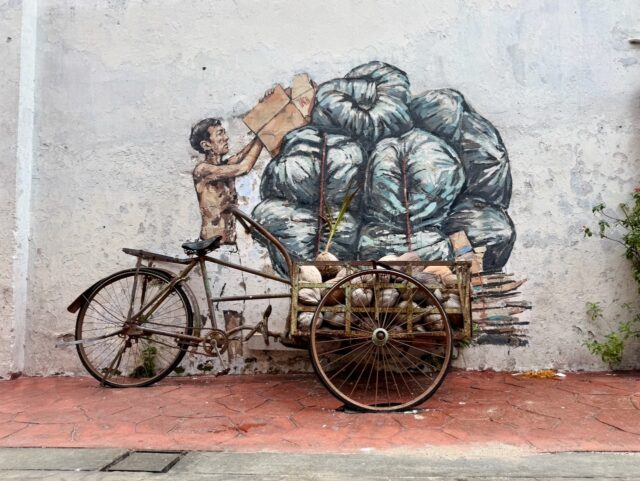
Trishaw garbage collector – street art in Market Lane by Ernest Zacharevic
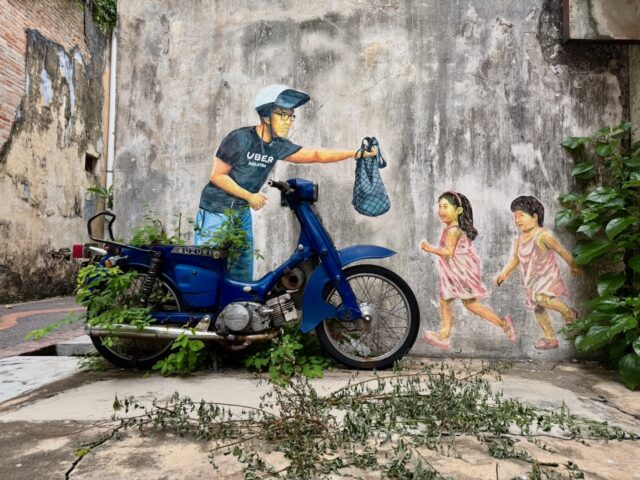
A cool piece in Lorong Hale.
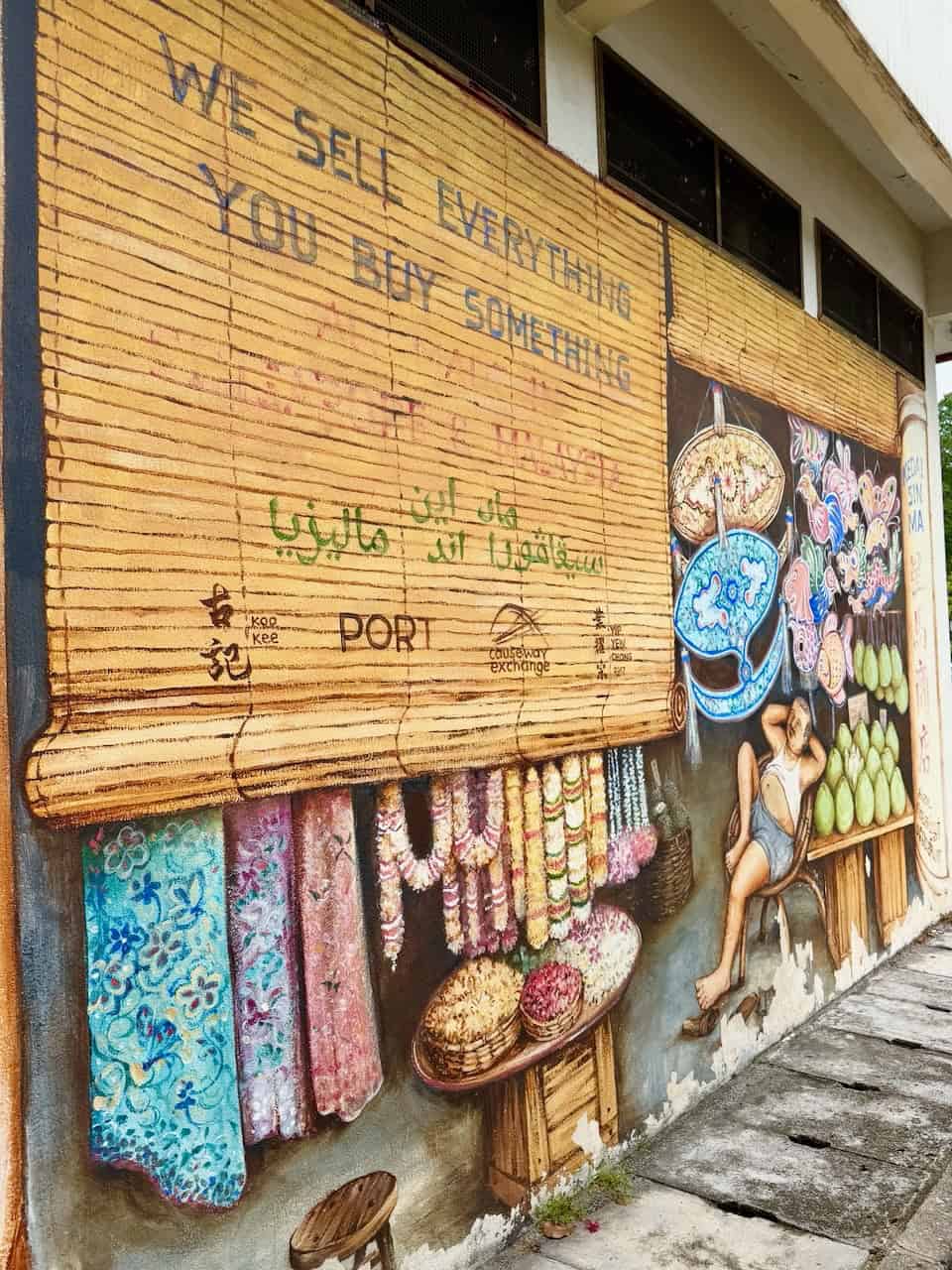
Loved this piece!
One of the top things to do in Ipoh is to try its white coffee. Ipoh white coffee is unique due to its traditional roasting process, where coffee beans (Arabica, Robusta, and Liberica) are roasted with palm oil margarine, and sometimes sugar, creating a lighter, caramelised color and a smooth, creamy, and mild flavour. It’s traditionally served with sweetened condensed milk to produce a rich, frothy and aromatic beverage that is less bitter than conventional roasted coffee.
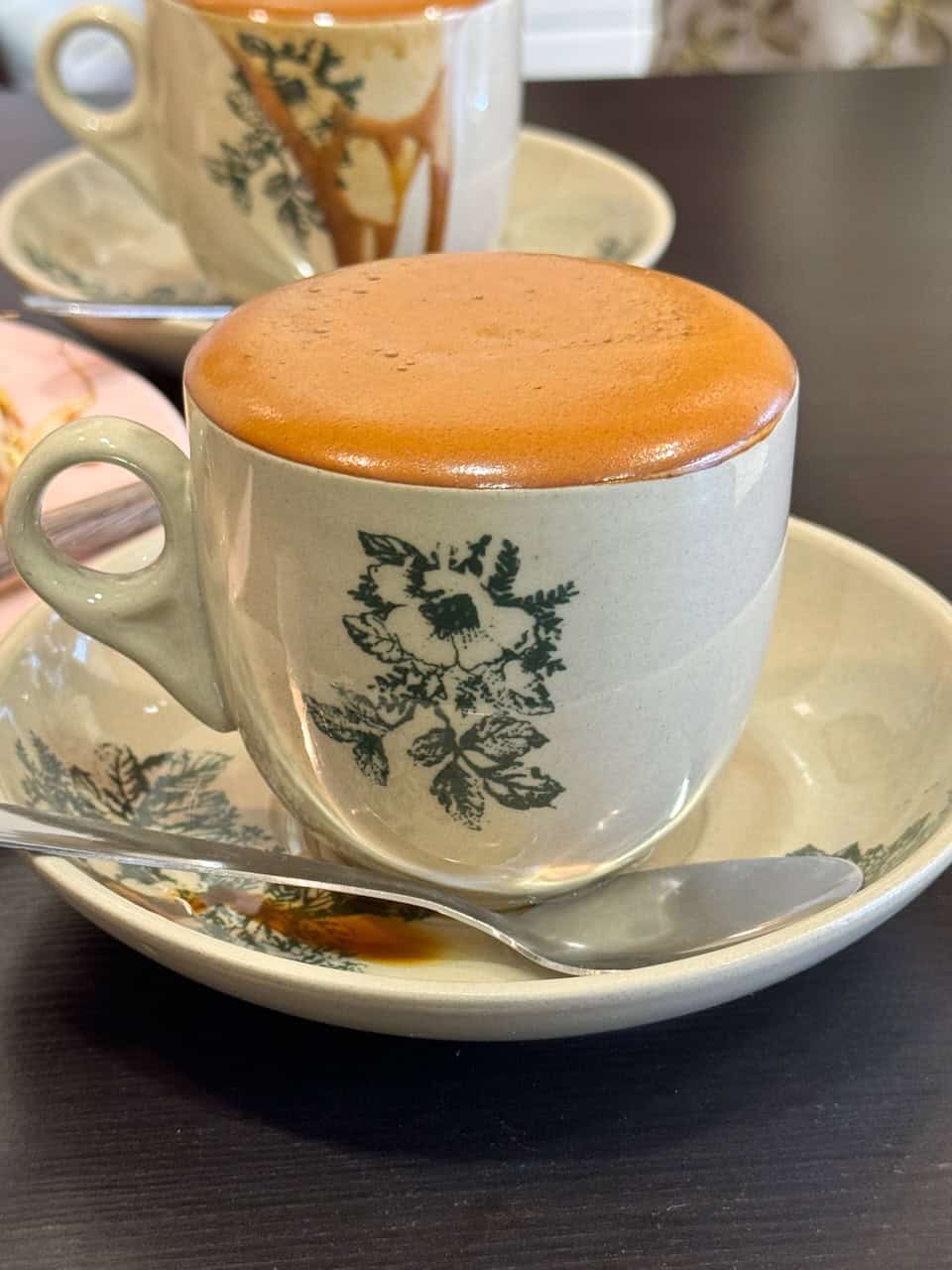
Ipoh White Coffee
You’ll find Ipoh white coffee in many cafés (kopitiam) and you can also visit the Old Town White Coffee Experience Centre (2, Jalan Panglima). My favourite thing to do is to pair a cup of Ipoh white coffee with an Ipoh kaya puff, a pastry filled with a spread made from coconut milk, eggs, sugar and aromatic pandan leaves.
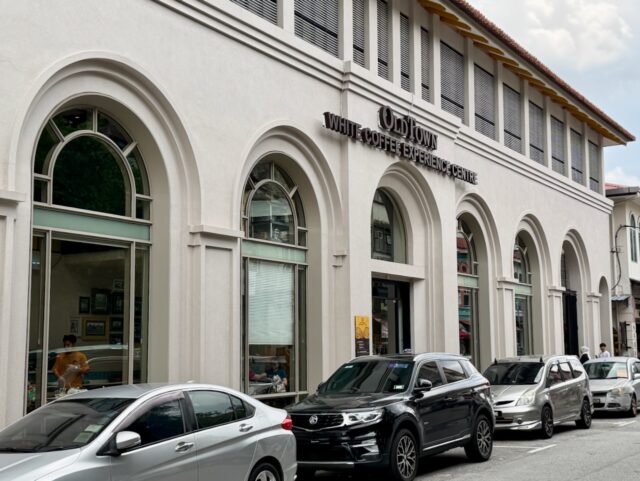
Old Town White Coffee Experience Centre
Ipoh is widely regarded as one of Malaysia’s top food destinations. From street food stalls to traditional kopitiams, every meal in Ipoh is an experience. There are many dishes unique to Ipoh that draw visitors from near and far, especially in the weekends. One of my favourites is bean sprout chicken, known for its tender chicken and crisp bean sprouts. It sounds like a very simple dish but there’s just something about the chicken, and the plump and tasty bean sprouts, that make it so special.
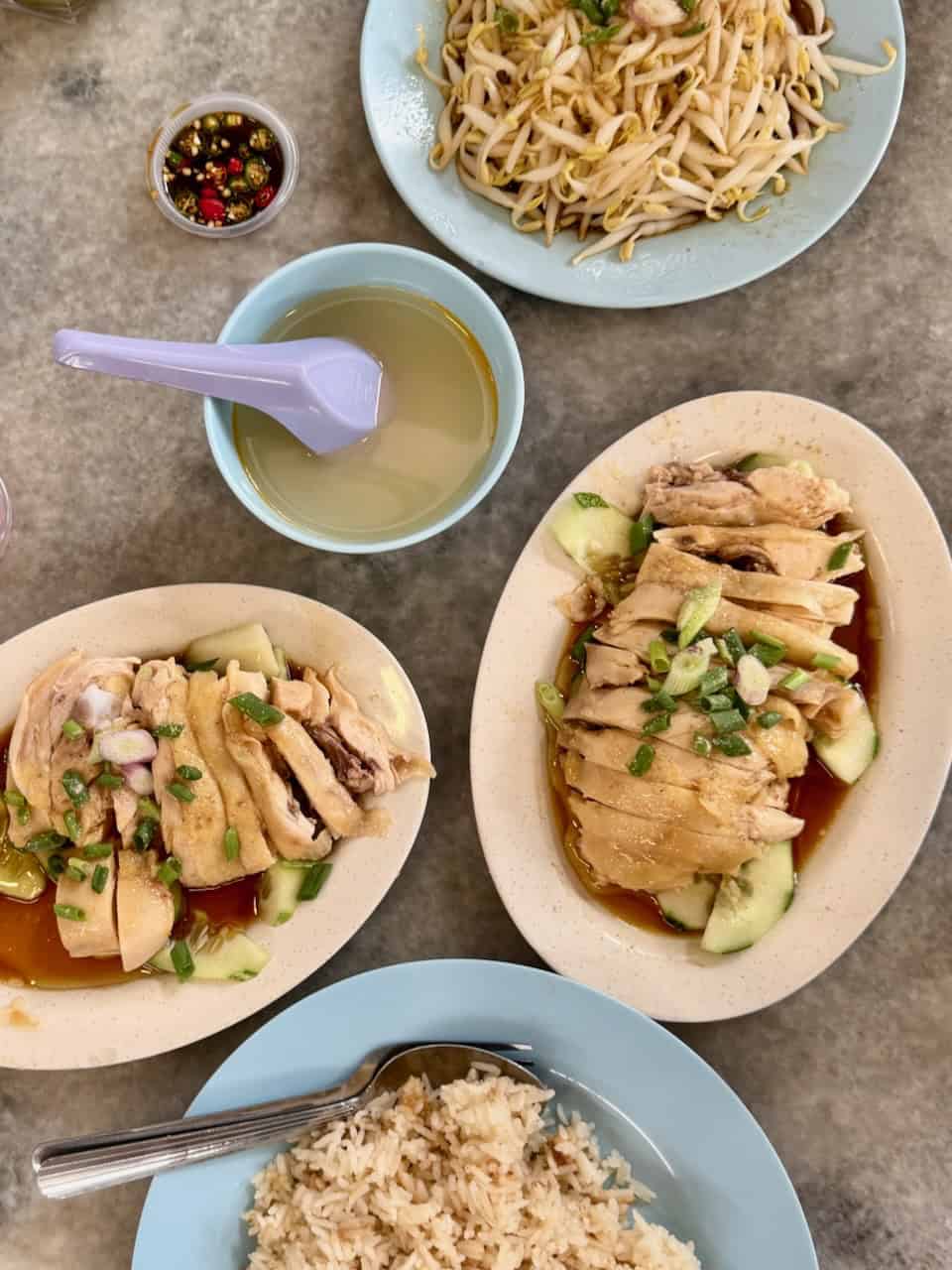
Ipoh bean sprout chicken
Another must-try is Ipoh hor fun, a dish with flat rice noodles in a savoury, light broth made from chicken bones and fried prawn heads. It’s served with shredded chicken, prawns and chives. Other yummy dishes I can recommend include Ipoh curry mee, Hakka mee, assam laksa and cendol.
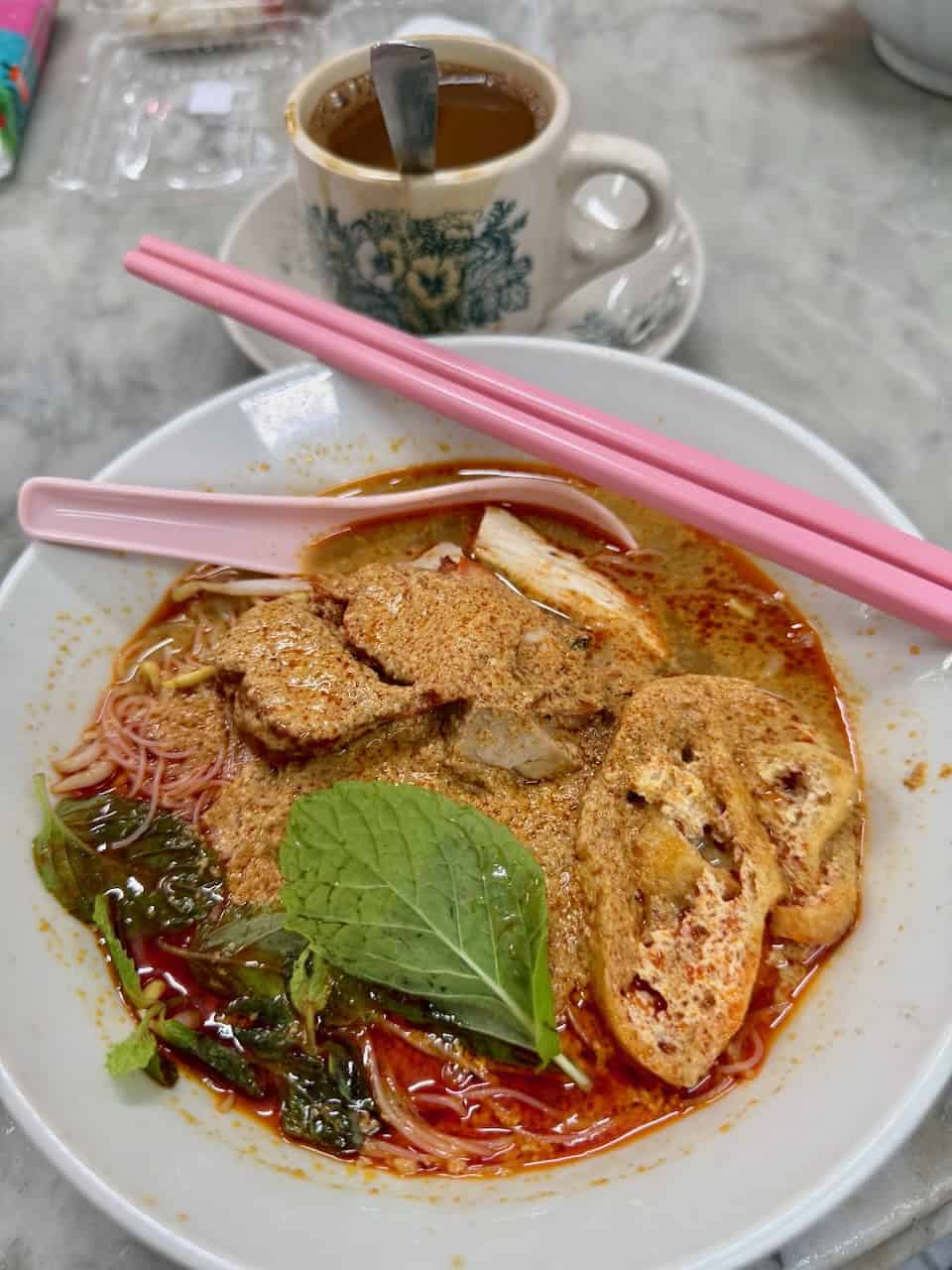
There are dry and soup versions of Ipoh curry mee
Whenever I’m in Ipoh, I always make it a point to drop by at Woong Kee Beancurd, for their specialty tau fu fah. This silky-smooth beancurd dessert is made from coagulated soy milk, and is commonly served in a warm ginger sugar syrup. You can also add toppings like red beans or sesame seeds but I prefer mine plain.
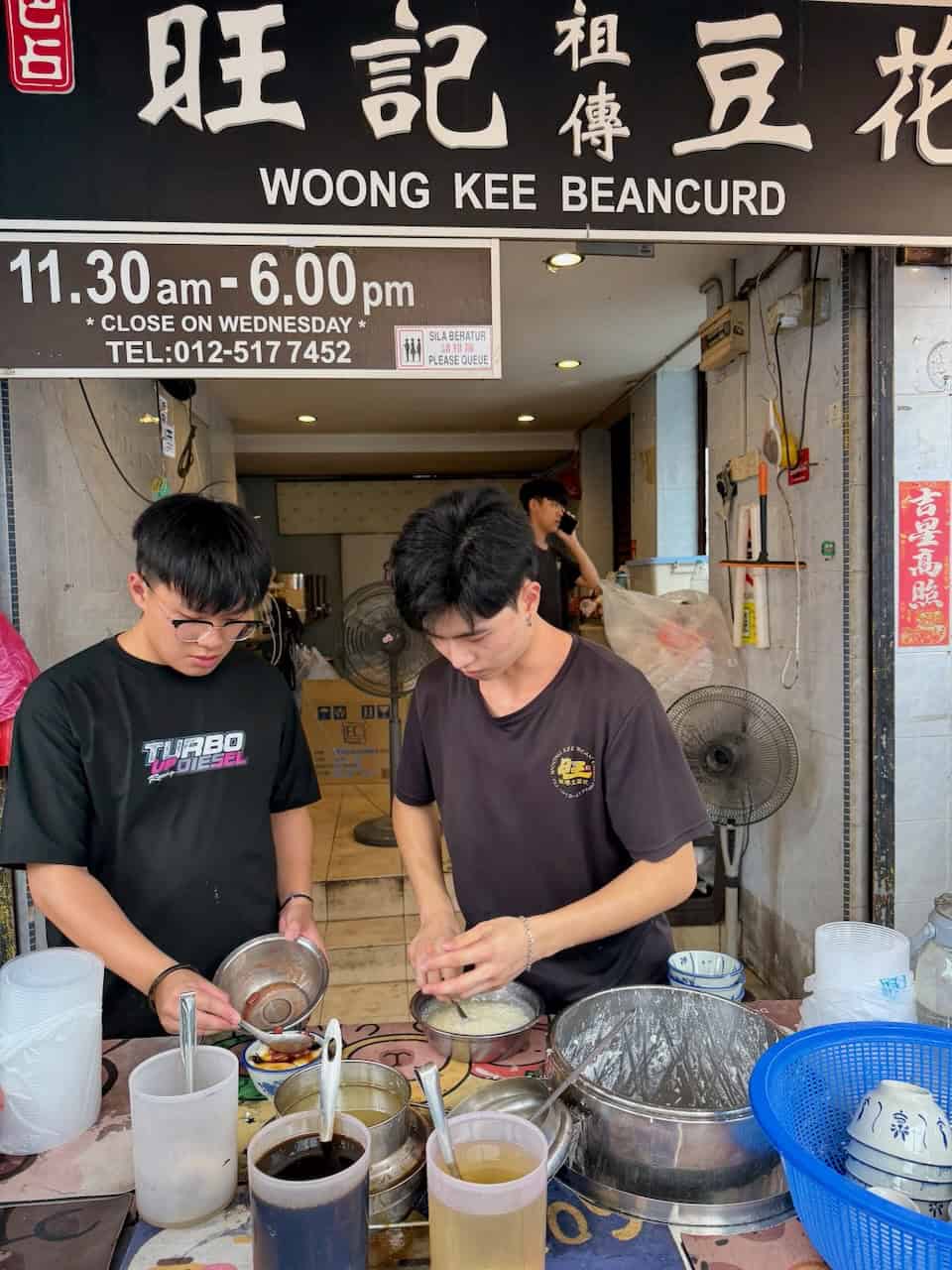
Woong Kee Beancurd
There are dozens of kopitiam (local coffee shops with stalls selling a variety of dishes) in Ipoh where you can try these dishes. Ones I can recommend include Kong Fu Kopitiam (coffee shop with a martial arts theme!), Nam Heong and Hock Kee Kopitiam. A more upmarket place serving local favourites is Shan Cheng Laksa.
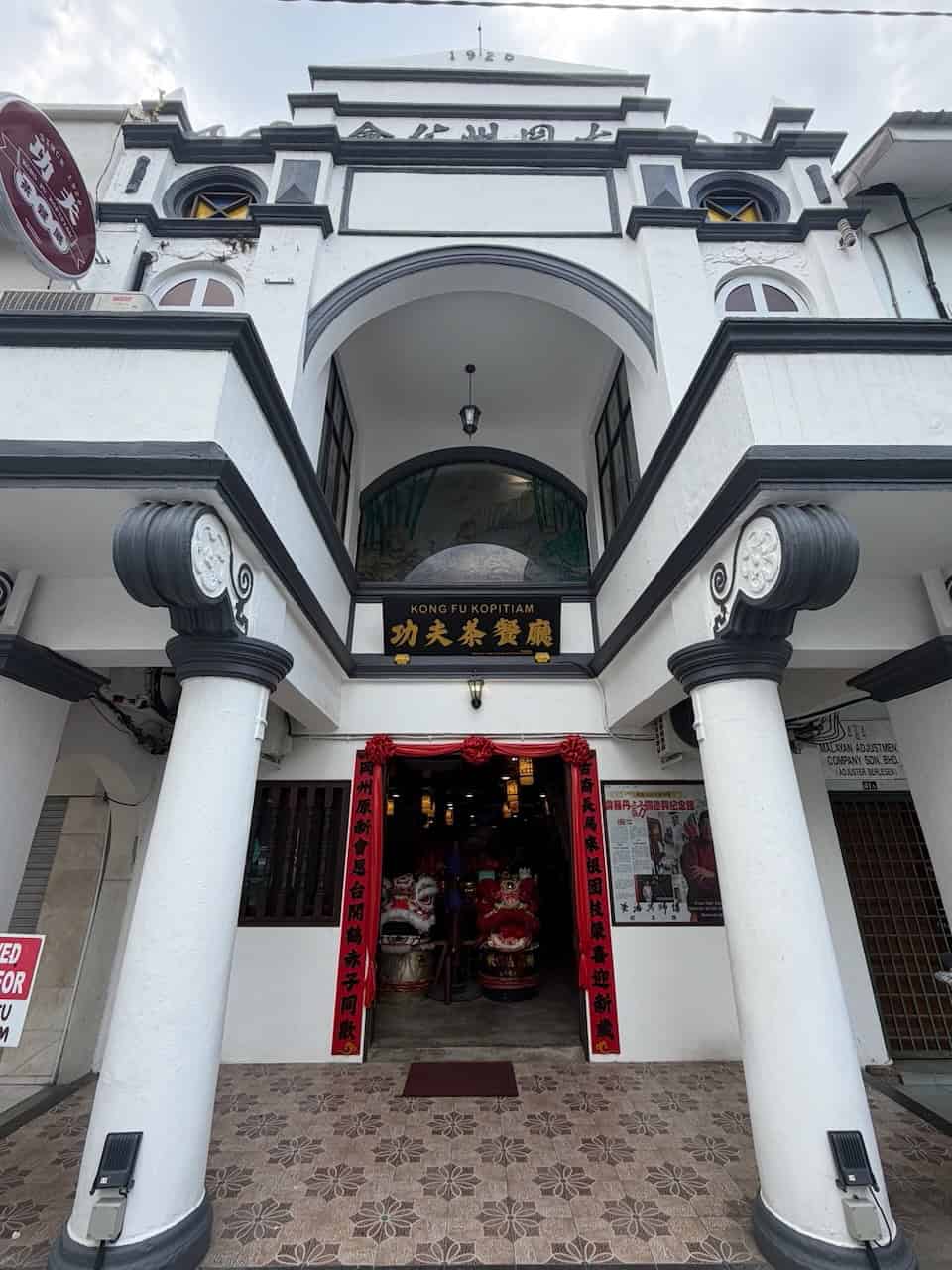
Kong Fu Kopitiam
One thing I never leave Ipoh without is its fantastic peanut candy! This light and crunchy, sweet and salty treat is so good! In my book, the best place to taste and buy it is Sin Weng Fai Peanut Candy Shop (69 & 69A, Jalan Yau Tet Shin).
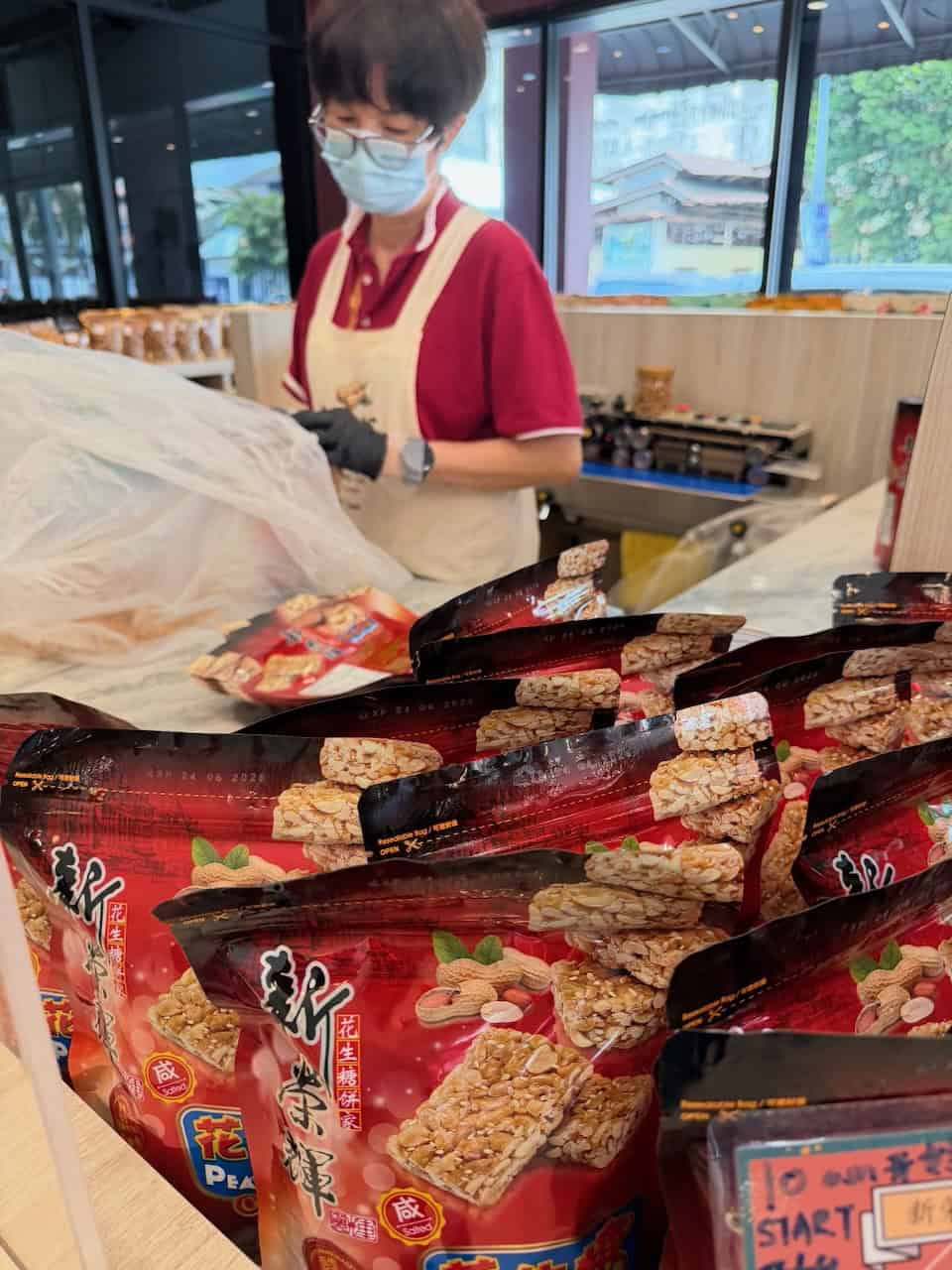
Sin Weng Fai Peanut Candy Shop
If you enjoy browsing around artisanal stores, like I do, you’re in for a treat in Ipoh. There are numerous artisanal stores in the Old Town that sell a wide variety of woodwork, handicraft, ceramics, furniture and paintings.
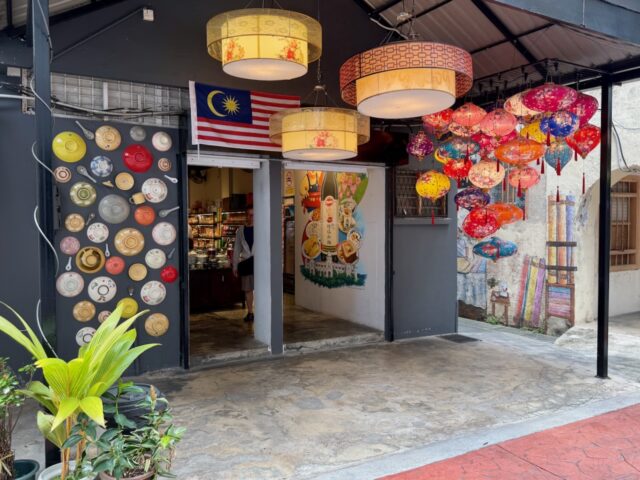
Gift shop no. 49 in Market Lane sells a large variety of pottery, table and enamel ware.
Some of my favourites include stores like Gift Store no. 49 (Market Lane), Hilltown tea (1, Lorong Bijeh Timah) and AM Zakka (23, Jalan Panglima), and markets like Kong Heng artisan market (Kong Heng Square) and SENI Market (Jalan Dato Maharajalela).
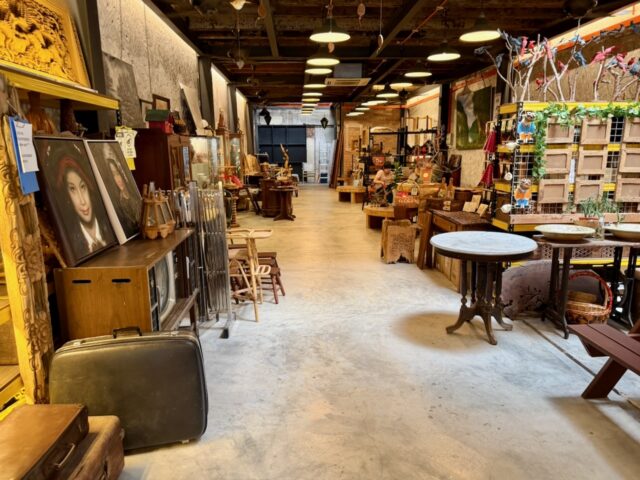
AM Zakka
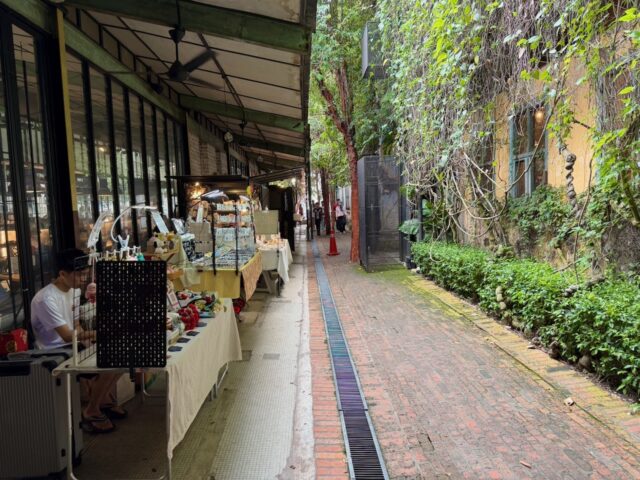
Pop-up artisanal stalls at Kong Heng Square (next to Plan B café)
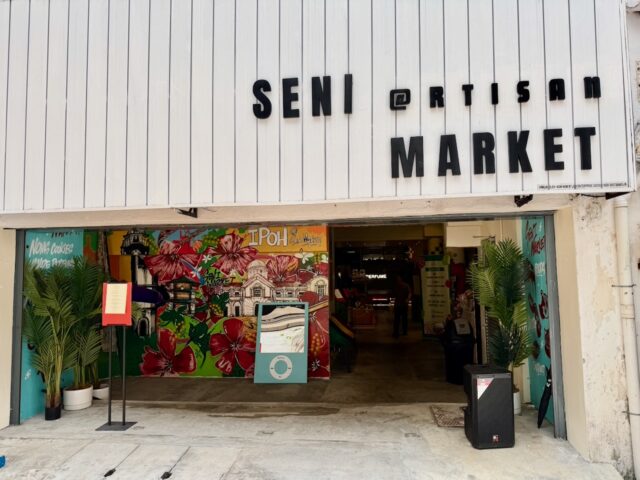
SENI Market
A defining feature of Ipoh is its range of limestone hills that almost encircle the city. These forest-clad humpback-like hills harbour hidden networks of caves and a great variety of flora and fauna. During the mining boom, the hills were mined for limestone. The quarries left behind were subsequently flooded by rain and now form hidden lakes only accessible through former mining tunnels. Nowadays, these limestone hills and lakes are one of the top natural attractions in Ipoh.
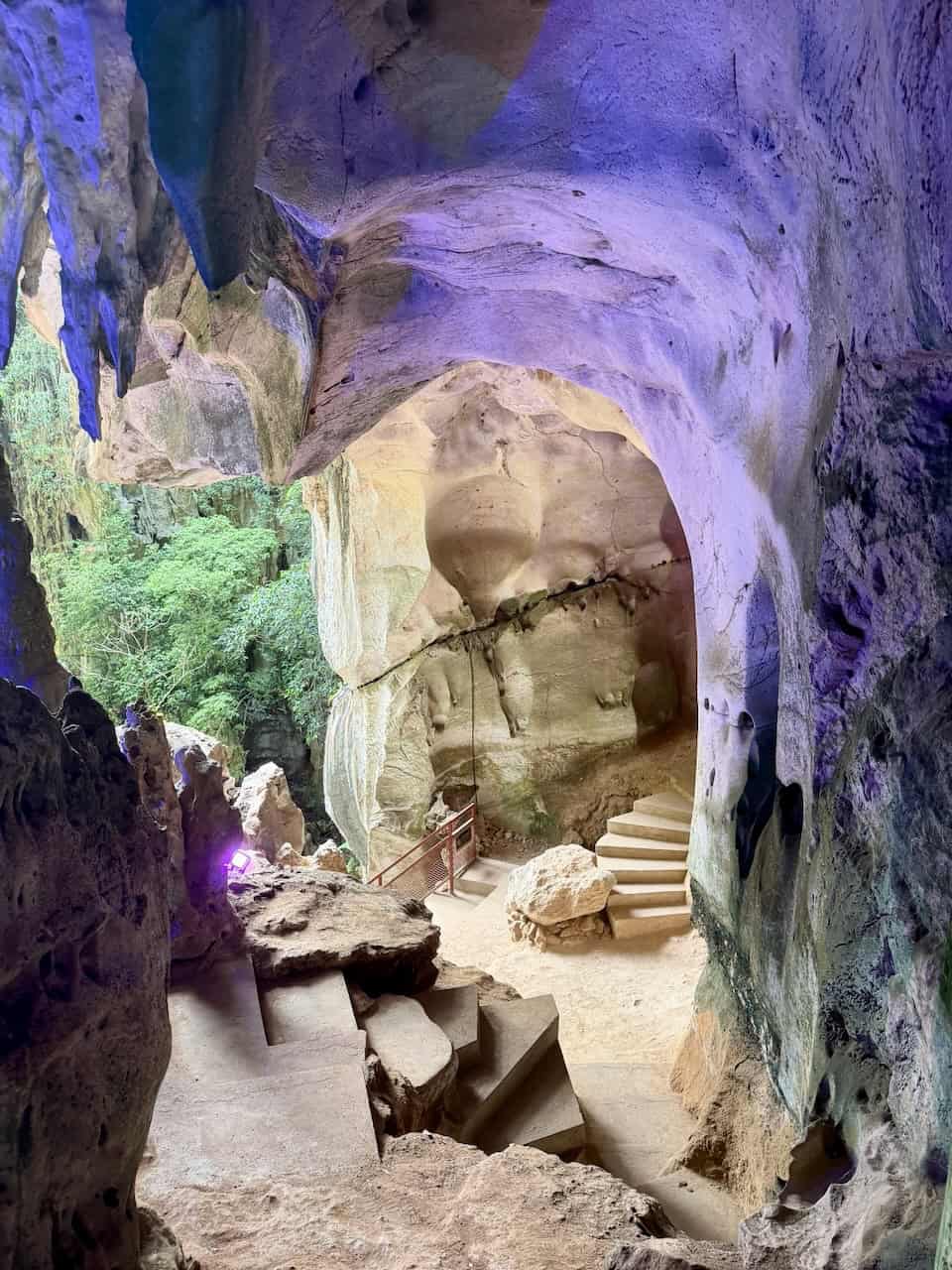
Kin Loong Valley caves
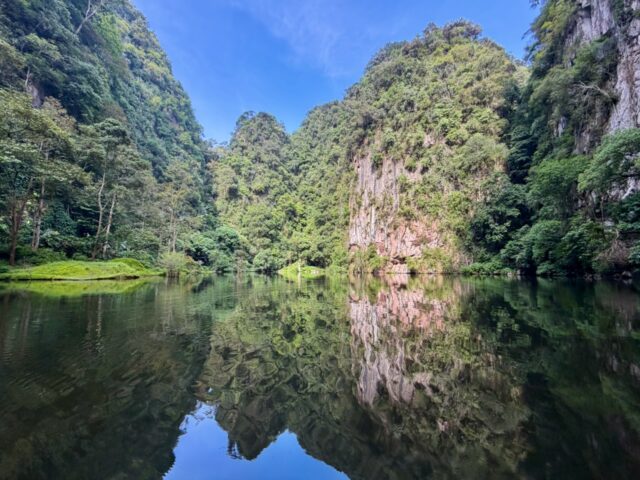
Hidden World – Tasik Cermin 2
Called Tasik Cermin 1 & 2 (Mirror Lake and Hidden World), they’re a short drive from the city centre and can easily be combined with a visit to one of the cave temples (see below).
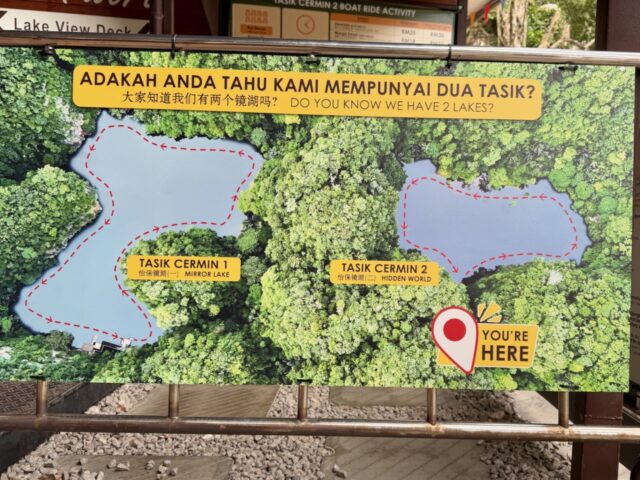
Tasik Cermin 1 & 2
There are two lakes here, but Tasik Cermin 2 (Hidden World) is the one I’d recommend for its unforgettable boat ride. The experience begins as you quietly glide through a 120m-long tunnel, emerging into a hidden lake framed by towering limestone cliffs and dense jungle. The stillness of the water and the dramatic natural setting create a truly magical, almost otherworldly atmosphere.
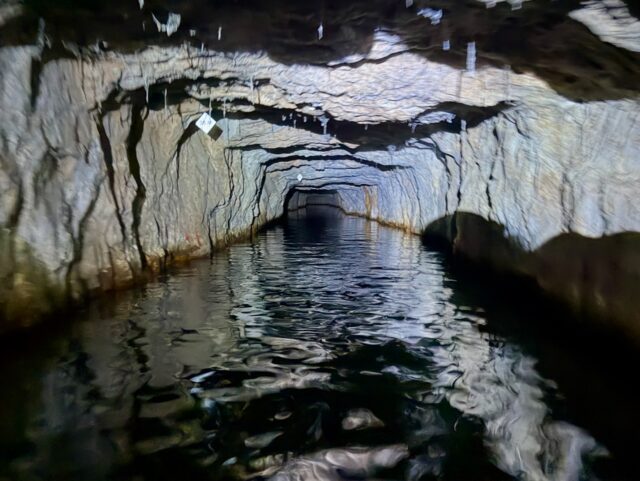
The boat ride through the tunnel at Mirror Lake 2
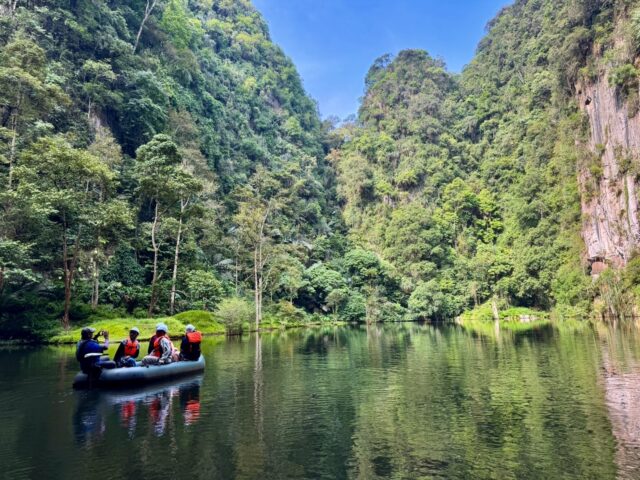
Hidden World
It gets busy, especially during the weekends, so I recommend getting there early (by 10am) to avoid the crowds.
In the vicinity are numerous cave temples such as Perak Cave Temple and Kek Lok Tong Cave Temple (closed for renovations as at April 2026). My favourite is the Sam Poh Tong Temple, which has temples at the foot of the limestone hills as well as inside the caves. It also features a beautiful ornamental pond.
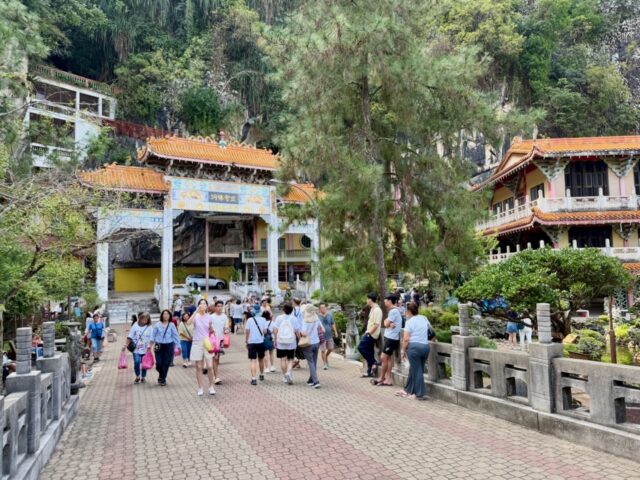
Sam Poh Tong Temple
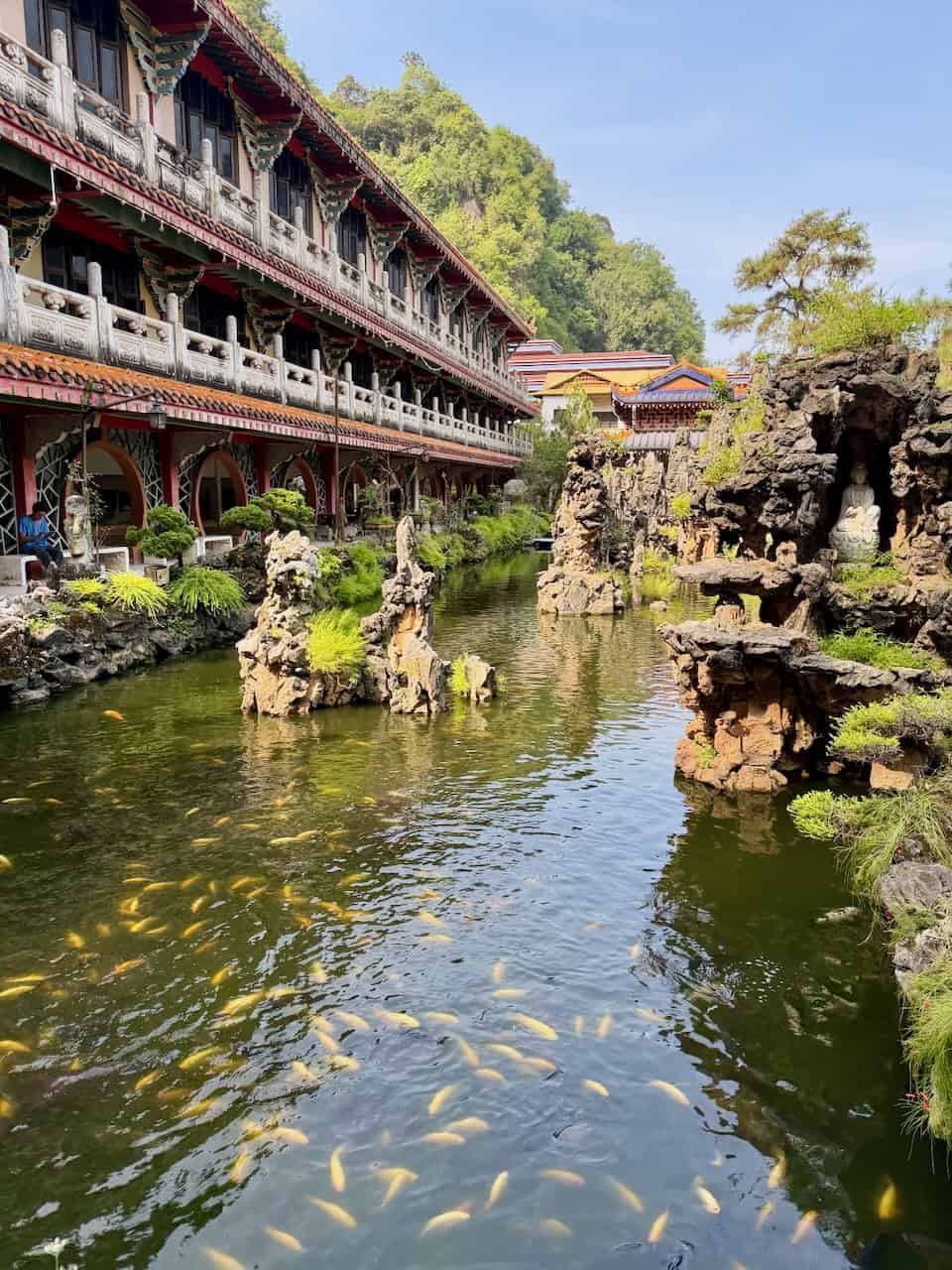
Sam Poh Tong Temple pond
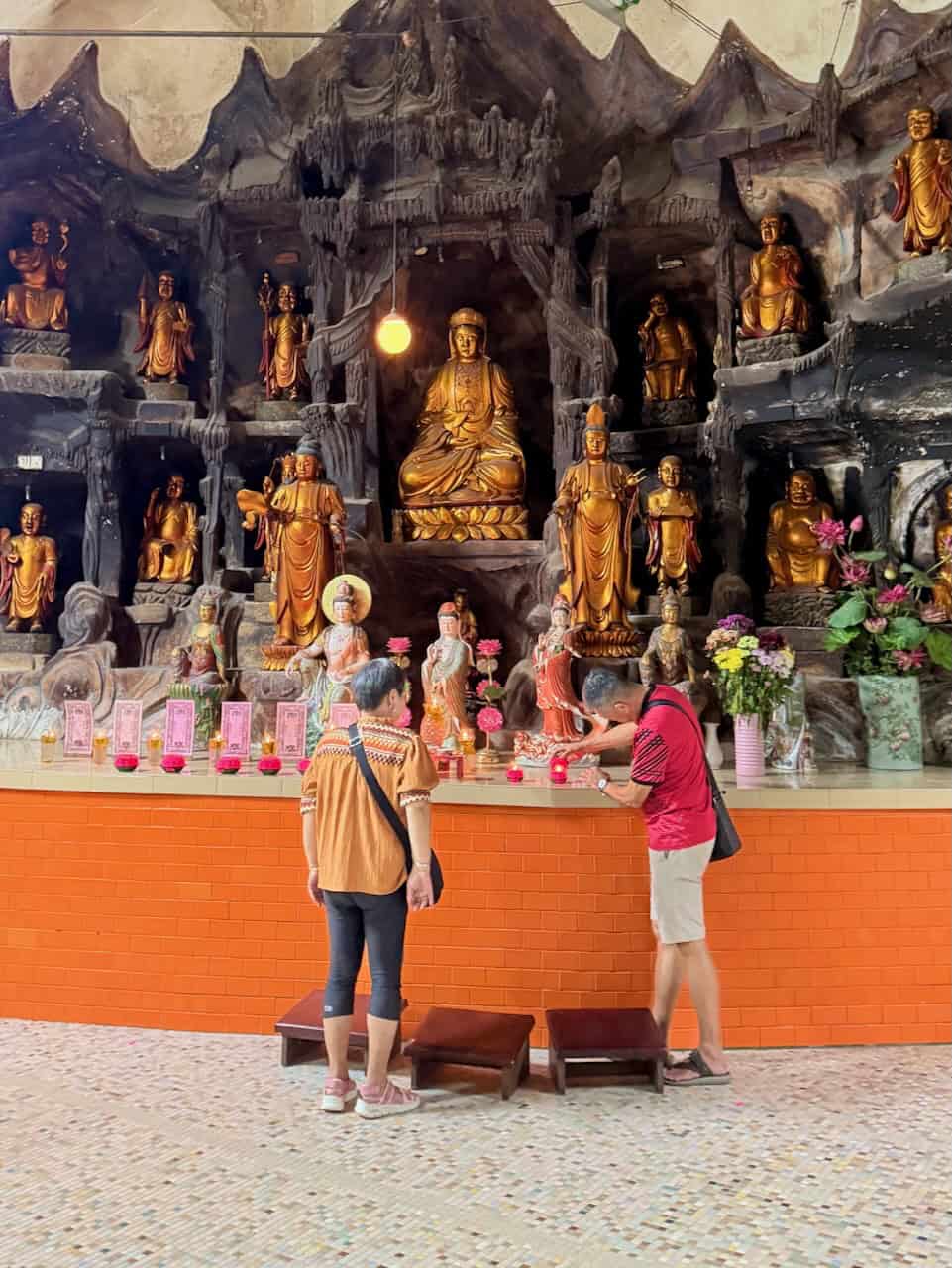
Sam Poh Tong cave temple
The highlight for me is the red pagoda built inside a huge cavity in the hills, and accessible through the caves.
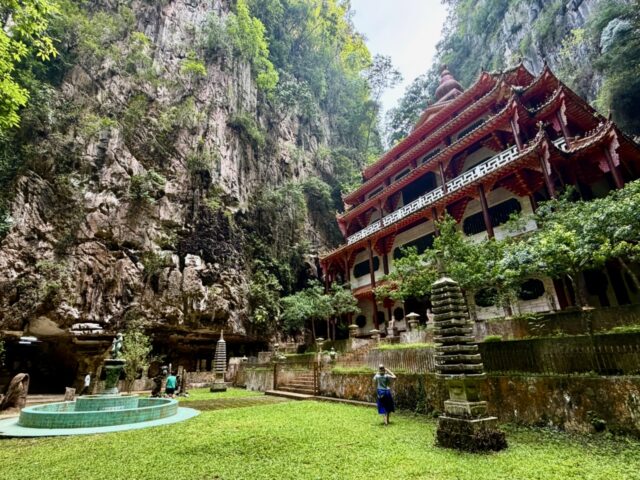
Red pagoda
Ipoh has a fascinating history of immigrants striking it rich during the tin-mining boom. The Han Chin Pet Soo museum and the Ho Yan Hor museum next door offer interesting insights to this history.
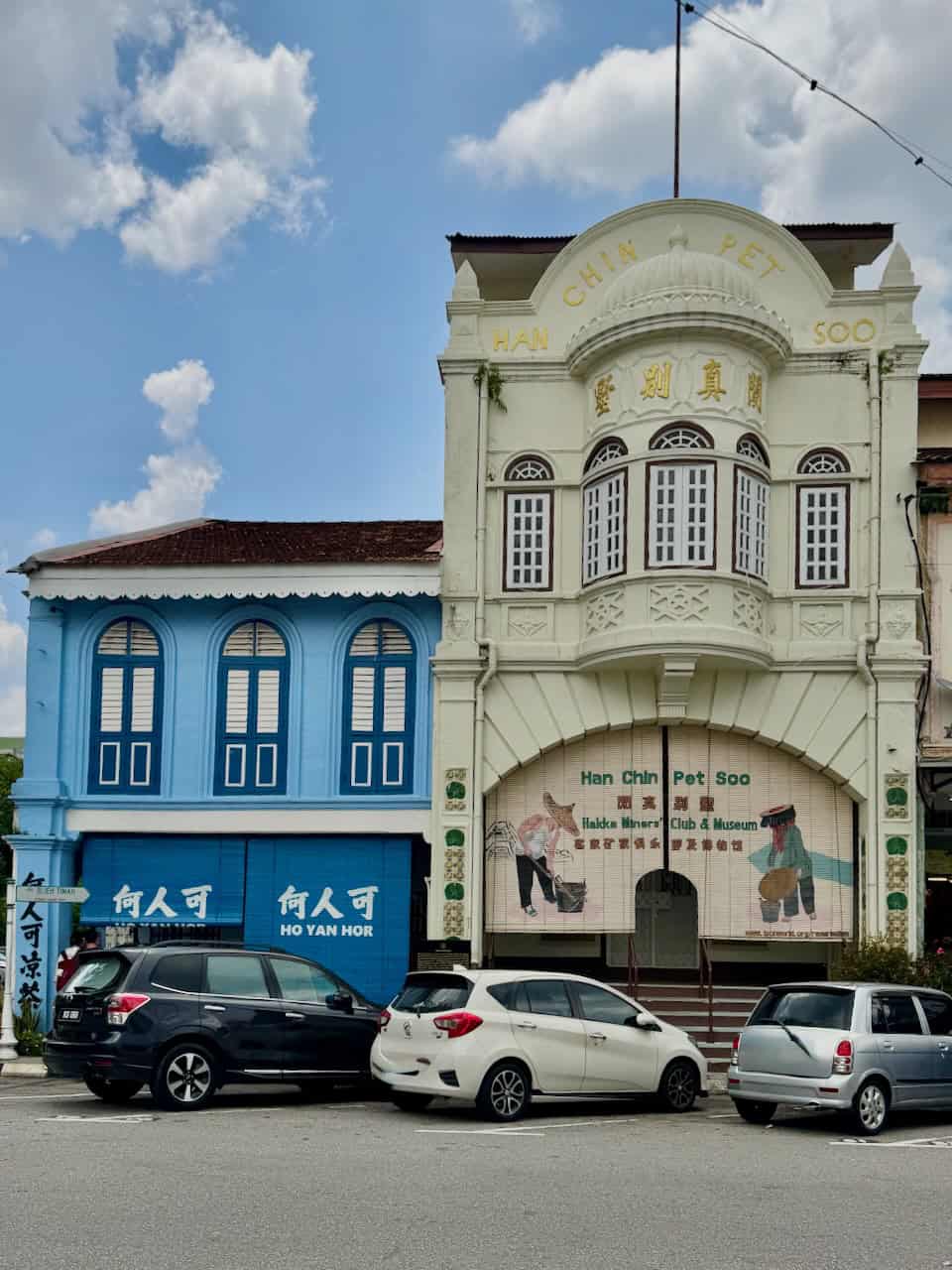
Han Chin Pet Soo and Ho Yan Hor museums
The Lost World of Tambun is a large theme park on the outskirts of the city that’s perfect for families. There are theme rides, a large waterpark with slides, natural hot springs to soak in and much more.
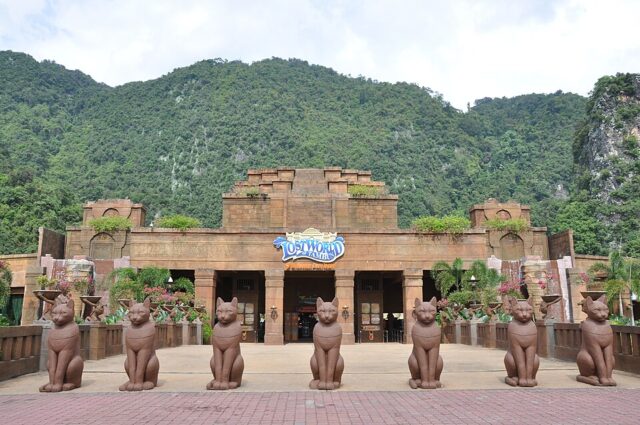
Lost World of Tambun (image by S.Tahir/Wikimedia Commons).
Ipoh offers a wide range of accommodation options to suit every budget and travel style, from cosy guesthouses and serviced apartments to upscale hotels with modern amenities. One accommodation I can recommend is The Farmhouse Ipoh, a charming inn known for its warm hospitality, spacious and comfortable rooms, and a distinctive English-inspired ambiance.
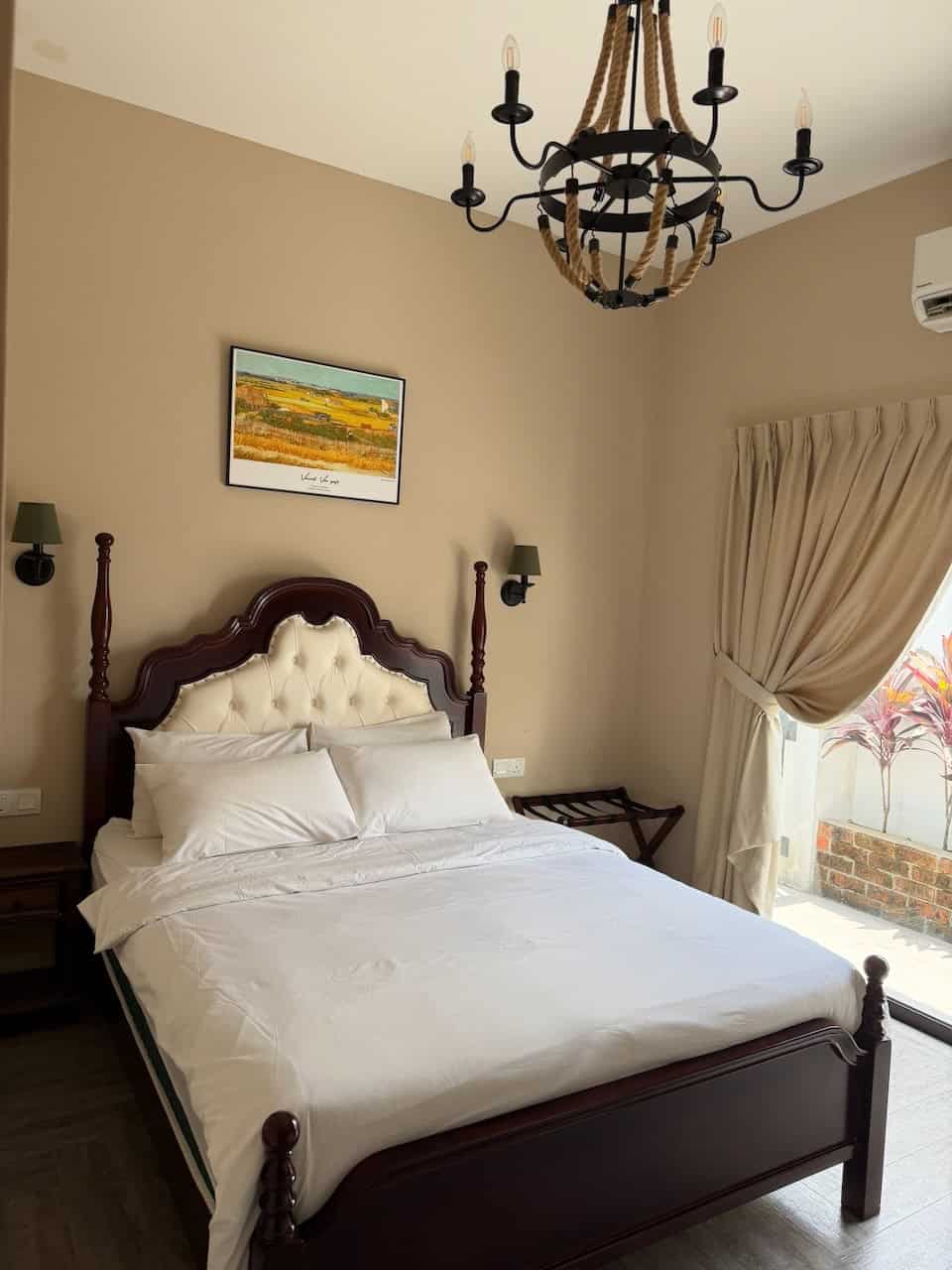
The Farmhouse room
Nearby is another wonderful accommodation: Ipoh Bali Hotel. It features a gorgeous Balinese interior and furnishings, and spacious, atmospheric rooms.
If you’re travelling as a group or with your family, check out TUI Blue The Haven Resort. Surrounded by towering limestone hills and fronting a lake, this hotel has spacious (1, 2 and 3 bedroom) suites and numerous facilities for families as well as a walking path around the lake.
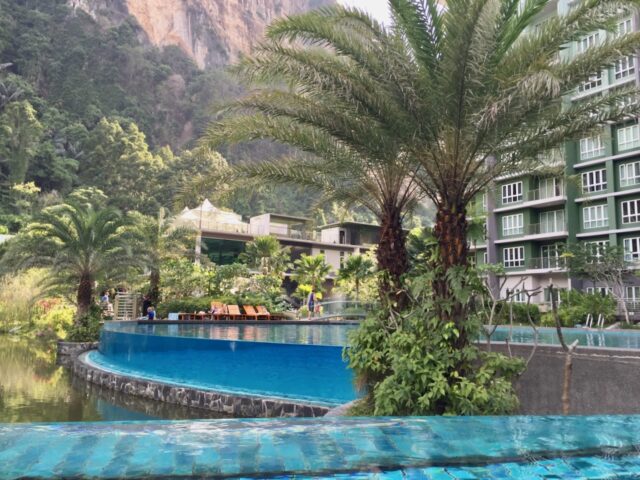
The Haven Ipoh
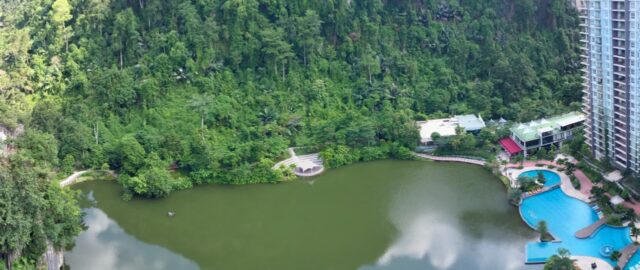
The Haven
Ipoh is a 2-3 hour drive from Kuala Lumpur along the North-South Highway (AH2). It’s also possible to get to Ipoh from Kuala Lumpur or Penang by bus or train.
Market Lane
A (very) brief history of Ipoh
Ipoh’s history is deeply tied to the tin mining boom of the late 19th and early 20th centuries. Once a small village, it rapidly grew into one of the richest towns in Southeast Asia due to its abundant tin deposits, and earned it the nickname “City of Millionaires”. During British colonial rule, Ipoh flourished economically, leading to the construction of grand colonial buildings that still stand today. After the decline of the tin industry in the 1980’s, the city experienced a quieter period before reinventing itself as a cultural and tourism hub. Today, Ipoh preserves its historical identity while embracing modern development, making it a fascinating place where past and present coexist.
Birch Clock Tower
Top things to do in Ipoh
Often overshadowed by bigger cities like Kuala Lumpur and George Town, Ipoh stands out because it offers an authentic Malaysian experience without the overwhelming crowds. The city may seem sedate to the casual passerby but spend some time there and it will slowly reveal itself. Its combination of heritage architecture, natural beauty and culinary excellence creates a well-rounded destination in Malaysia that’s absolutely worth visiting.
Shophouses on Lorong Bijeh Timah.
Whether you’re sipping coffee in a century-old café, strolling through shady arcades, exploring hidden caves and lakes, or enjoying local delicacies, Ipoh offers wonderful experiences at every turn. Its slower pace allows visitors to truly soak in the atmosphere, making it not just a stopover, but a destination worth savouring. Here are my recommendations for things to see and do in Ipoh (the places mentioned are pinned on the map below):
1. Explore the Old Town
Ipoh Old Town is the heart and soul of the city. Walking through its streets feels like stepping back in time, with well-preserved Neo-Classical, Edwardian and Art Deco buildings lining the roads. Here, you’ll find famous white coffee shops, traditional bakeries, artisanal shops and boutique cafés that blend old-world charm with modern aesthetics. I loved the rustic shopfronts, some of which are decorated with colourful lanterns and ornate wood carvings.
Beautiful façades in the Old Town
Ipoh storefront
Wawasan Cendol – a dessert café in Jalan Bandar Timah.
Famous colonial landmarks include the Ipoh Town Hall, Railway Station and the Birch Memorial Clock Tower.
Ipoh Railway Station (image by S.H.Darlin/Wikimedia Commons)
One place that’s a charming mix of old and new is Kong Heng Square. Filled with boutiques, cafés such as Plan B, pop-up stalls and ancient-looking trees, it’s a a treat to simply stroll around the alleys and soak up the artsy vibes.
Kong Heng Square
Shophouses in the Old Town
The Ipoh Heritage Trail is a marked route that takes visitors past the city’s most important heritage sites.
Follow the Ipoh Heritage Trail markers
2. Stroll through Ipoh’s historic lanes
In 1892, a blaze destroyed large parts of Ipoh’s Old Town, which were subsequently rebuilt with the help of the city’s tycoons. One tycoon, Yao Tet Shin, restored three lanes to honour his wives: Wife Lane (now called Lorong Hale), Concubine Lane (Lorong Panglima) and Second Concubine Lane (Market Lane). The area soon became notorious for its opium dens, brothels and casinos.
Colourful Market Lane
These days, Concubine Lane is a tourist magnet, packed with souvenir shops, bakeries and cafés.
Concubine Lane
Street art in Concubine Lane
My favourite is Market Lane. Broader and quieter than Concubine Lane, it’s home to numerous artisanal shops and colourful street art.
Colourful lanterns in Market Lane
Market Lane street art
Another lovely lane to explore is Lorong Bijeh Timah (or Tin Alley). Here, you’ll find tiles with paintings of Ipoh scenes. Drop by at Hilltown, a vintage tea shop, and Tin Alley, an artists’ studio.
Hilltown tea store
3. Discover colourful street art
In recent years, Ipoh has become somewhat of a street art haven. As you explore the old town, you’ll find murals scattered around the area, many of which were created by Lithuanian artist Ernest Zacharevic, notable for his street art in Penang. These artworks bring the city’s history and culture to life in a playful and engaging way. You’ll find great examples in Market Lane, Lorong Hale and Jalan Masjid.
Trishaw garbage collector – street art in Market Lane by Ernest Zacharevic
A cool piece in Lorong Hale.
Loved this piece!
4. Enjoy Ipoh White Coffee
One of the top things to do in Ipoh is to try its white coffee. Ipoh white coffee is unique due to its traditional roasting process, where coffee beans (Arabica, Robusta, and Liberica) are roasted with palm oil margarine, and sometimes sugar, creating a lighter, caramelised color and a smooth, creamy, and mild flavour. It’s traditionally served with sweetened condensed milk to produce a rich, frothy and aromatic beverage that is less bitter than conventional roasted coffee.
Ipoh White Coffee
You’ll find Ipoh white coffee in many cafés (kopitiam) and you can also visit the Old Town White Coffee Experience Centre (2, Jalan Panglima). My favourite thing to do is to pair a cup of Ipoh white coffee with an Ipoh kaya puff, a pastry filled with a spread made from coconut milk, eggs, sugar and aromatic pandan leaves.
Old Town White Coffee Experience Centre
5. Indulge in Ipoh’s famous food scene
Ipoh is widely regarded as one of Malaysia’s top food destinations. From street food stalls to traditional kopitiams, every meal in Ipoh is an experience. There are many dishes unique to Ipoh that draw visitors from near and far, especially in the weekends. One of my favourites is bean sprout chicken, known for its tender chicken and crisp bean sprouts. It sounds like a very simple dish but there’s just something about the chicken, and the plump and tasty bean sprouts, that make it so special.
Ipoh bean sprout chicken
Another must-try is Ipoh hor fun, a dish with flat rice noodles in a savoury, light broth made from chicken bones and fried prawn heads. It’s served with shredded chicken, prawns and chives. Other yummy dishes I can recommend include Ipoh curry mee, Hakka mee, assam laksa and cendol.
There are dry and soup versions of Ipoh curry mee
Whenever I’m in Ipoh, I always make it a point to drop by at Woong Kee Beancurd, for their specialty tau fu fah. This silky-smooth beancurd dessert is made from coagulated soy milk, and is commonly served in a warm ginger sugar syrup. You can also add toppings like red beans or sesame seeds but I prefer mine plain.
Woong Kee Beancurd
There are dozens of kopitiam (local coffee shops with stalls selling a variety of dishes) in Ipoh where you can try these dishes. Ones I can recommend include Kong Fu Kopitiam (coffee shop with a martial arts theme!), Nam Heong and Hock Kee Kopitiam. A more upmarket place serving local favourites is Shan Cheng Laksa.
Kong Fu Kopitiam
A yummy salted peanut candy
One thing I never leave Ipoh without is its fantastic peanut candy! This light and crunchy, sweet and salty treat is so good! In my book, the best place to taste and buy it is Sin Weng Fai Peanut Candy Shop (69 & 69A, Jalan Yau Tet Shin).
Sin Weng Fai Peanut Candy Shop
6. Browse the artisanal stores
If you enjoy browsing around artisanal stores, like I do, you’re in for a treat in Ipoh. There are numerous artisanal stores in the Old Town that sell a wide variety of woodwork, handicraft, ceramics, furniture and paintings.
Gift shop no. 49 in Market Lane sells a large variety of pottery, table and enamel ware.
Some of my favourites include stores like Gift Store no. 49 (Market Lane), Hilltown tea (1, Lorong Bijeh Timah) and AM Zakka (23, Jalan Panglima), and markets like Kong Heng artisan market (Kong Heng Square) and SENI Market (Jalan Dato Maharajalela).
AM Zakka
Pop-up artisanal stalls at Kong Heng Square (next to Plan B café)
SENI Market
7. Discover hidden lakes
A defining feature of Ipoh is its range of limestone hills that almost encircle the city. These forest-clad humpback-like hills harbour hidden networks of caves and a great variety of flora and fauna. During the mining boom, the hills were mined for limestone. The quarries left behind were subsequently flooded by rain and now form hidden lakes only accessible through former mining tunnels. Nowadays, these limestone hills and lakes are one of the top natural attractions in Ipoh.
Kin Loong Valley caves
Hidden World – Tasik Cermin 2
Called Tasik Cermin 1 & 2 (Mirror Lake and Hidden World), they’re a short drive from the city centre and can easily be combined with a visit to one of the cave temples (see below).
Tasik Cermin 1 & 2
There are two lakes here, but Tasik Cermin 2 (Hidden World) is the one I’d recommend for its unforgettable boat ride. The experience begins as you quietly glide through a 120m-long tunnel, emerging into a hidden lake framed by towering limestone cliffs and dense jungle. The stillness of the water and the dramatic natural setting create a truly magical, almost otherworldly atmosphere.
The boat ride through the tunnel at Mirror Lake 2
Hidden World
It gets busy, especially during the weekends, so I recommend getting there early (by 10am) to avoid the crowds.
8. Visit the cave temples
In the vicinity are numerous cave temples such as Perak Cave Temple and Kek Lok Tong Cave Temple (closed for renovations as at April 2026). My favourite is the Sam Poh Tong Temple, which has temples at the foot of the limestone hills as well as inside the caves. It also features a beautiful ornamental pond.
Sam Poh Tong Temple
Sam Poh Tong Temple pond
Sam Poh Tong cave temple
The highlight for me is the red pagoda built inside a huge cavity in the hills, and accessible through the caves.
Red pagoda
9. Learn about the city’s tin mining history
Ipoh has a fascinating history of immigrants striking it rich during the tin-mining boom. The Han Chin Pet Soo museum and the Ho Yan Hor museum next door offer interesting insights to this history.
Han Chin Pet Soo and Ho Yan Hor museums
10. Spend a day at the Lost World of Tambun
The Lost World of Tambun is a large theme park on the outskirts of the city that’s perfect for families. There are theme rides, a large waterpark with slides, natural hot springs to soak in and much more.
Lost World of Tambun (image by S.Tahir/Wikimedia Commons).
Where to stay in Ipoh
Ipoh offers a wide range of accommodation options to suit every budget and travel style, from cosy guesthouses and serviced apartments to upscale hotels with modern amenities. One accommodation I can recommend is The Farmhouse Ipoh, a charming inn known for its warm hospitality, spacious and comfortable rooms, and a distinctive English-inspired ambiance.
The Farmhouse room
Nearby is another wonderful accommodation: Ipoh Bali Hotel. It features a gorgeous Balinese interior and furnishings, and spacious, atmospheric rooms.
If you’re travelling as a group or with your family, check out TUI Blue The Haven Resort. Surrounded by towering limestone hills and fronting a lake, this hotel has spacious (1, 2 and 3 bedroom) suites and numerous facilities for families as well as a walking path around the lake.
The Haven Ipoh
The Haven
How to get to Ipoh
Ipoh is a 2-3 hour drive from Kuala Lumpur along the North-South Highway (AH2). It’s also possible to get to Ipoh from Kuala Lumpur or Penang by bus or train.