
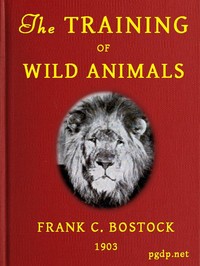
The Training of Wild Animals by Frank Charles Bostock
Frank Bostock’s The Training of Wild Animals is a direct portal to the early 1900s, a world where exotic animal acts were the pinnacle of popular spectacle. This isn't a novel with a plot; it's a memoir and a manual from the front lines.
The Story
Bostock walks us through his life in the cage. He details how he sourced animals (often freshly caught), built his menageries, and transported them across continents. The core of the book is his blunt, matter-of-fact explanations on how to manage and train creatures like lions, tigers, leopards, and elephants. He describes methods that are startlingly physical and based on establishing absolute dominance, sharing stories of escapes, attacks, and the ever-present risk of death. He paints vivid pictures of the chaos and adrenaline inside the touring shows, where wild animals were both the main attraction and a persistent threat.
Why You Should Read It
You read this book for the historical shock and awe. Bostock has genuine respect for the animals' intelligence and power, but his perspective is purely practical and of its time. There's no discussion of animal welfare as we understand it today. That gap is what makes it so compelling and thought-provoking. You’re not getting a sanitized history; you’re getting the gritty, unapologetic voice of a showman who saw these magnificent beings as the ultimate challenge. It forces you to confront how much our relationship with wild animals has changed—or in some ways, how certain attitudes have stubbornly persisted.
Final Verdict
This book is perfect for readers fascinated by social history, the roots of popular entertainment, or animal behavior. It’s a must for anyone interested in the circus world's true, rough-and-tumble past. Be warned: it can be a jarring read for the sensitive animal lover. But if you can sit with that discomfort, Bostock offers an invaluable, primary-source look at a vanished and ethically complex chapter of history. Think of it less as an instruction book and more as a fascinating, sometimes grim, artifact.
This masterpiece is free from copyright limitations. Enjoy reading and sharing without restrictions.
Melissa Harris
7 months agoSimply put, it challenges the reader's perspective in an intellectual way. I would gladly recommend this title.

Paul Rodriguez
2 years agoI've gone through the entire material twice now, and the step-by-step breakdown of the methodology is extremely helpful for students. This has become my go-to guide for this specific topic.