
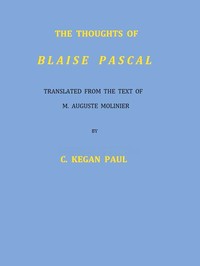
The Thoughts of Blaise Pascal by Blaise Pascal
Forget everything you think you know about old philosophy books. 'The Thoughts of Blaise Pascal' isn't a neat, organized argument. It's a collection of fragments, notes, and brilliant flashes of insight that Pascal was compiling for a defense of the Christian faith before he died. Because it was never finished, we get to see the gears turning in his head. He moves from razor-sharp logic to deep emotional longing in a single page.
The Story
There's no traditional plot. Instead, Pascal builds a case about the human situation. He starts by looking at our strange position in the universe: capable of profound thought, yet destined to die. He famously calls us a "thinking reed," fragile but conscious. He then examines how we run from this uncomfortable truth through endless diversion—hunting for status, chasing entertainment, burying ourselves in work. The core 'story' is our attempt to avoid facing ourselves. Pascal argues that this emptiness is a God-shaped hole, and he presents faith not as blind belief, but as a rational "wager" on the meaning of existence.
Why You Should Read It
I was blown away by how modern Pascal feels. When he writes about people seeking diversion to avoid thinking about their mortality, I immediately thought of binge-watching and doomscrolling. His analysis of human pride and the desire for approval is painfully accurate. This book doesn't give easy answers. In fact, it spends a lot of time making you deeply uncomfortable with the questions. But that's its power. It forces a kind of honesty. You won't agree with all his conclusions (especially the religious ones), but the journey there will make you examine your own life, your own distractions, and what you're really seeking.
Final Verdict
This is for the curious thinker, not the casual reader. It's perfect for anyone who enjoys psychology, big ideas, or history and wants to see how a 17th-century mind tackled problems we still face. If you liked the self-examination of Marcus Aurelius's Meditations or the existential questions in modern writers, you'll find a fascinating ancestor here. Be prepared for a challenging, fragmentary, and deeply rewarding conversation across the centuries. Just take it slow—a few thoughts at a time is plenty.
This title is part of the public domain archive. It is now common property for all to enjoy.
Richard White
7 months agoIf you enjoy this genre, the author's voice is distinct and makes complex topics easy to digest. Don't hesitate to start reading.
Christopher Torres
1 year agoIf you enjoy this genre, the plot twists are genuinely surprising. Truly inspiring.
Susan Wright
1 year agoAs someone who reads a lot, the depth of research presented here is truly commendable. A valuable addition to my collection.


Donald Wilson
3 months agoSimply put, the narrative structure is incredibly compelling. Worth every second.