
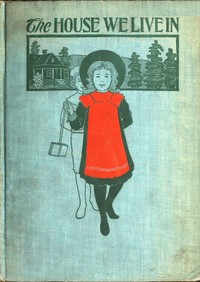
The House We Live In; or, The Making of the Body by Vesta J. Farnsworth
Published in 1908, Vesta J. Farnsworth's The House We Live In is a unique blend of science, metaphor, and earnest advice. It takes the then-current understanding of human physiology and frames it within an elaborate, extended metaphor: your body is a grand, self-sustaining estate.
The Story
There isn't a traditional plot with characters. Instead, the 'story' is the life cycle of the body-house. Farnsworth guides you room-by-room and system-by-system. Your mouth and stomach become a 'Food Hall' and 'Kitchen' where food is prepared. The blood is a complex 'Transportation System' of canals and rivers. The brain is the 'Master' in the 'Office,' receiving telegraphs (nerve impulses) from scouts (the senses) all over the property. The book walks you through construction (childhood growth), daily maintenance (digestion, circulation), defense against intruders (germs and disease), and even eventual disrepair. The central narrative thrust is the incredible, silent work that goes on every second to keep you alive and the consequences when you neglect your 'housekeeping.'
Why You Should Read It
I loved this book for its sheer imaginative charm. Reading it feels like listening to a very passionate, slightly eccentric great-aunt explain the world. Her awe for the body's design is contagious. While some science is outdated (the book predates antibiotics and much of modern genetics), her core message about personal responsibility for health—through clean living, good food, and fresh air—feels strikingly modern. It's less about the specific facts and more about fostering a sense of wonder and respect for your own physical self. You come away seeing your heartbeat not just as a function, but as the diligent work of a lifelong, internal maintenance crew.
Final Verdict
This book is a hidden gem for curious readers who enjoy history, vintage science, and creative nonfiction. It's perfect for anyone who liked Bill Bryson's The Body but wants to see how people a hundred years ago made sense of it all. It's also a great pick for writers looking for a masterclass in using a sustained metaphor. Just be ready to smile at the quaint parts—like the description of cells as 'little bricks'—and appreciate the heartfelt intention behind it all. The House We Live In is a delightful, perspective-shifting read that reminds you to be a good tenant in your own skin.
This publication is available for unrestricted use. It is now common property for all to enjoy.
Kimberly Thompson
4 months agoI decided to give this a try based on a colleague's recommendation, the objective evaluation of the pros and cons is very refreshing. If you want to master this topic, start right here.
Michael Martinez
11 months agoI particularly value the technical accuracy maintained throughout.
Jessica Perez
9 months agoI took detailed notes while reading through the chapters and the practical checklists included are a great touch for real-world use. I'm glad I chose this over the other alternatives.
Patricia White
8 months agoBefore I started my latest project, I read this and it manages to maintain a consistent flow even when discussing difficult topics. I'll be citing this in my upcoming project.




Jessica Lopez
1 year agoThe clarity of the introduction set high expectations, and the author doesn't just scratch the surface but goes into meaningful detail. I appreciate the effort that went into this curation.