
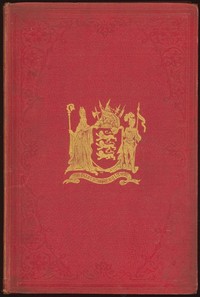
The History of England in Three Volumes, Vol. I., Part E. by David Hume
So, you've picked up David Hume's History of England. Don't let the formal title fool you. This isn't a dry chronicle. It's a sweeping narrative that tries to make sense of how England became England.
The Story
This first volume starts at the very beginning, with the Romans leaving Britain and the island descending into what Hume saw as a 'barbaric' period of Saxon kingdoms. He then marches us through the Norman Conquest, the Plantagenet kings, and all the way up to the death of Henry VII, the first Tudor monarch. The plot, so to speak, is the relentless struggle for power. You'll meet kings who are brilliant administrators and others who are spectacular failures. You'll see the constant tug-of-war between the monarchy and the nobility, and the explosive arrival of the Protestant Reformation. Key events like the signing of the Magna Carta or the bloody conflict known as the Wars of the Roses aren't just noted; Hume explains why they mattered and what they cost the nation.
Why You Should Read It
Here's the real magic: Hume was a philosopher first, a historian second. He's not a neutral reporter. He has strong opinions about character, governance, and human nature. When he writes about King John's tyranny or Henry VII's cunning, you feel like you're getting a sharp, witty commentary from a very smart friend. He's constantly asking 'why' things happened, looking for causes in human psychology and social structures rather than just divine will. This makes 12th-century politics feel urgent and understandable. Yes, some of his views (particularly on race and religion) are very much of his 18th-century time and can be jarring, but that's part of the interest. You're seeing how a foundational thinker interpreted the past, which in turn shaped how generations after him saw it.
Final Verdict
This book is perfect for anyone who loves a great story about power, ambition, and nation-building. It's for the reader who enjoyed the drama of Game of Thrones and wants to explore the real historical events that are even wilder than fiction. It's also a must for philosophy fans who want to see a great mind tackle history. Be warned, it's a commitment—the prose is elegant but dense. But if you stick with it, you won't just learn English history; you'll get a masterclass in how to think about history itself. Approach it not as the final word, but as a fascinating, brilliant, and deeply personal starting point.
The copyright for this book has expired, making it public property. You can copy, modify, and distribute it freely.







Karen Jackson
1 month agoComprehensive and well-researched.