
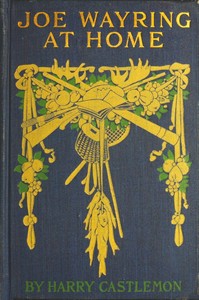
Joe Wayring at Home; or, The Adventures of a Fly-Rod by Harry Castlemon
If you pick up Joe Wayring at Home, you're stepping into the shoes of a young boy in late 1800s America. Joe isn't off to war or exploring uncharted islands; his kingdom is the woods, fields, and waterways around his home. The story follows his daily life, which revolves around his passion for fly-fishing. We see him patiently learning the art of the cast, figuring out which flies the trout are biting on, and exploring every bend in the local creek. The plot is gentle and episodic, built from small adventures: a friendly competition with other boys, a struggle to land a particularly wily fish, or a quiet moment of observation in the natural world. It's a window into a time when entertainment was self-made and rooted deeply in the outdoors.
Why You Should Read It
This book is a quiet joy. Castlemon writes with a genuine love for the outdoors that's absolutely contagious. Joe isn't a perfect hero; he gets frustrated, he makes mistakes, and he learns. His dedication to fishing feels real. The real charm is in the details—the description of tying a fly, the sound of the water, the thrill of a tug on the line. It celebrates patience, observation, and a deep respect for nature long before 'mindfulness' was a trend. In our hyper-connected world, there's something profoundly peaceful about getting lost in Joe's simpler, quieter pursuits. It’s a reminder of the adventures that exist without screens or schedules.
Final Verdict
Joe Wayring at Home is perfect for anyone who loves classic outdoor adventure, fans of authors like Mark Twain looking for a gentler, nature-focused cousin to Tom Sawyer, or readers seeking a wholesome, nostalgic escape. It's also a great pick for young readers ready for chapter books without modern-day pressures. If you enjoy stories where the setting is as much a character as the people, and where the biggest drama is whether the big one gets away, you'll find a real friend in Joe Wayring. Just be warned: it might make you want to dig out an old rod and find the nearest stream.
This digital edition is based on a public domain text. It is available for public use and education.
Margaret Miller
1 year agoI was skeptical about the depth of this book at first, but the critical analysis of current industry standards is very timely. This is a solid reference for both beginners and experts.
John Garcia
1 year agoMy first impression was quite positive because the objective evaluation of the pros and cons is very refreshing. I'm glad I chose this over the other alternatives.
Linda Rodriguez
1 month agoI took detailed notes while reading through the chapters and the nuanced approach to the central theme was better than I expected. A solid investment for anyone's personal development.
David Brown
9 months agoHaving followed this topic for years, I can say that it manages to maintain a consistent flow even when discussing difficult topics. I appreciate the effort that went into this curation.

William Williams
8 months agoI started reading this with a critical mind, the emphasis on ethics and sustainability within the topic is commendable. This has become my go-to guide for this specific topic.